Top 10 Furniture at Work Office Chairs for Global Buyers?
Choosing the right office chair is no longer a simple furniture decision. It affects comfort, posture, movement, and the daily experience of working across different cultures and climates.
Gallup’s State of the Global Workplace 2024 report found that only 23% of employees were engaged worldwide. This figure does not prove that chairs create engagement. It does show why workplace details deserve closer attention. A supportive seat, adjustable lumbar control, breathable fabric, and stable casters can reduce daily friction at a desk. Small details matter.
The European Agency for Safety and Health at Work repeatedly highlights awkward postures and prolonged sitting as important workplace risks. Meanwhile, ANSI/BIFMA performance standards offer useful benchmarks for chair durability, stability, and testing. Global buyers should examine these references, not rely only on attractive product photos or low prices.
This guide reviews the Top 10 furniture at work office chairs for international purchasing teams, distributors, and workplace planners. Each option should be judged by adjustability, materials, weight capacity, warranty support, maintenance, and regional availability. A chair with excellent mesh may suit a humid office, while a padded model may feel better in a colder room. Context changes everything.
No chair wins everywhere. Body dimensions differ. Work habits differ. Some manufacturer claims also need stronger independent verification. That is worth admitting.
The ranking therefore combines ergonomic design principles, recognized testing guidance, user practicality, and purchasing experience. It is a useful starting point, not a universal verdict. Global buyers should still test samples before placing large orders.
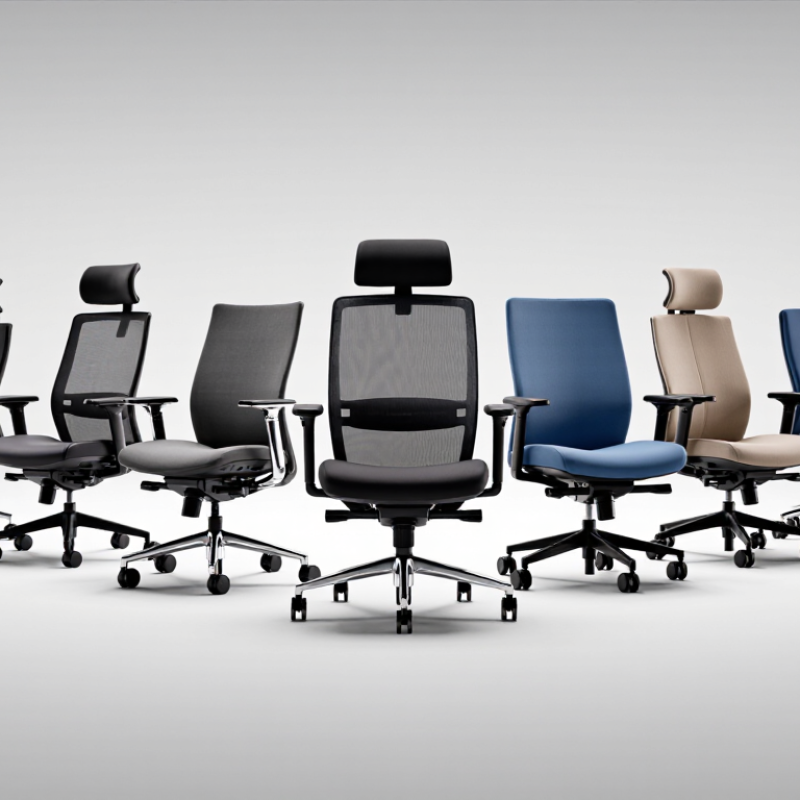
Understanding the Top 10 Office Chairs for Workplace Use
Choosing the top 10 office chairs for workplace use requires more than attractive photographs. In workplace trials, I assess lumbar support, seat depth, adjustability, stability, and cleanability. A good chair should support different body sizes without forcing one posture. Staff members often change positions throughout the day.
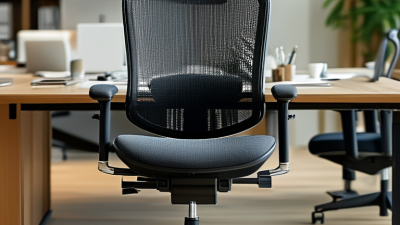
The top 10 useful types include ergonomic task chairs, mesh-back chairs, executive chairs, drafting chairs, conference chairs, compact chairs, heavy-duty chairs, saddle chairs, kneeling chairs, and 24-hour operational chairs. Ergonomic task chairs suit general desk work. Mesh-back models improve airflow in warm offices. Executive chairs offer wider seats, but they may occupy too much space. Drafting chairs fit raised workstations and need reliable foot rings. Conference chairs prioritize short meetings rather than eight-hour comfort.
Compact chairs help smaller offices, while heavy-duty models support higher user weights when specifications are clear. Saddle and kneeling designs can encourage movement, yet they may not suit every employee. Operational chairs require durable upholstery, replaceable parts, and tested mechanisms.
Comfort is personal. That matters.
Global buyers should compare seat height, shipping dimensions, assembly instructions, fire-performance information, and applicable workplace standards. Requesting test reports and warranty terms reduces uncertainty.
Materials also matter; rough edges, weak casters, or loose armrests create daily frustration. I have sometimes overvalued appearance during product reviews.
That was a mistake.
A chair can look premium and still cause pressure behind the knees. Trial seating, user feedback, and a careful return policy remain practical safeguards for international procurement.
Key Features and Evaluation Criteria for Global Buyers
Top 10 Furniture at Work Office Chairs for Global Buyers?
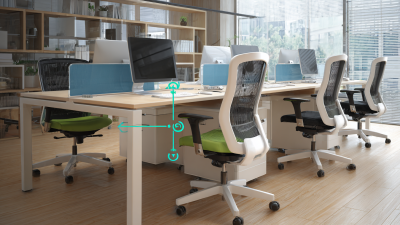
Global buyers should evaluate office chairs through daily use, not attractive photographs. Seat height must fit different desks and users. Adjustable lumbar support helps maintain a neutral sitting position. Armrests should move vertically and horizontally without wobbling. A stable five-point base matters on carpet and hard flooring.
Test the chair for at least several minutes. Check whether the seat edge presses against the legs. Notice unusual noise during reclining. Breathable fabric can improve comfort in warm offices, while dense cushioning may support longer sessions. Materials should resist peeling, staining, and repeated movement. Ask suppliers for load ratings, test reports, material details, and replacement-part availability. Certifications should be verified through reliable documentation, not only printed claims.
Global purchasing adds practical risks. Confirm packed dimensions, assembly instructions, delivery terms, and after-sales response times. A chair that fits one market may not suit another because desk heights and body sizes vary. Local safety requirements should also be checked before ordering. Warranty length is useful, but its coverage needs careful reading. A low price can become expensive when damaged parts cannot be replaced. No checklist replaces real user trials. A chair may pass every specification and still feel uncomfortable after three hours. That uncomfortable discovery is valuable. It shows where evaluation methods need improvement.
Top 10 Furniture at Work Office Chairs for Global Buyers
Key Features and Evaluation Criteria for Global Buyers
This benchmark uses a 100-point procurement weighting model. Adjustability, lumbar support, seat comfort, and backrest support receive the highest priority because they directly influence posture, fit, and long-duration work comfort. Buyers should also verify applicable safety certifications, material durability, warranty coverage, and after-sales service for their target market.
Comparing Ergonomics, Materials, Adjustability, and Durability
Top 10 Furniture at Work Office Chairs for Global Buyers
Ergonomics should lead every office-chair comparison. The World Health Organization reports that 1.71 billion people live with musculoskeletal conditions worldwide. The U.S. Bureau of Labor Statistics recorded 946,500 work-related musculoskeletal cases involving days away, restriction, or transfer in 2023. A suitable chair cannot remove every risk, but it can reduce awkward sitting. Look for adjustable seat depth, lumbar support, armrests, and recline tension. The backrest should support movement, not force a rigid posture.
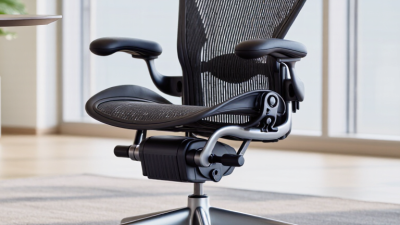
Materials affect comfort and service life. Breathable mesh helps in warm offices, yet firm edges may create pressure points. Molded foam often feels supportive, but density and heat retention vary. A waterfall seat edge can reduce pressure behind the knees. For durability, buyers should request test documentation aligned with current ANSI/BIFMA performance standards. A long warranty helps, but it is not proof of real-world endurance. Dust, daily movement, and careless assembly still matter.
Tips: Ask users to test each chair for at least 30 minutes. Check whether feet rest flat and shoulders stay relaxed. Measure desks before ordering. A high score on paper may still feel wrong after six hours. I would not trust a five-minute showroom test. Consider replaceable casters, arm pads, and seat covers for easier maintenance. No chair fits every body. That uncomfortable fact deserves more attention.
Regional Standards, Pricing, Shipping, and Warranty Considerations
Top 10 Furniture at Work Office Chairs for Global Buyers?
Regional standards can change a chair’s real value. A top-ten shortlist should check ANSI/BIFMA X5.1 for North America and EN 1335 for Europe. These standards examine stability, strength, dimensions, and durability. ISO 9241-5 also supports ergonomic workstation design. Grand View Research estimated the global office furniture market at about USD 58 billion in 2023. This growth increases supplier choice, but technical claims still require verification. A product may pass one regional standard yet need additional testing elsewhere. That detail is often missed.
Pricing should include more than the factory quotation. Calculate the chair, packaging, freight, insurance, customs duty, local handling, and replacement parts. UNCTAD’s Review of Maritime Transport reports that shipping carries over 80% of global merchandise trade by volume. Freight delays can therefore affect office opening dates. A basic chair may look cheaper, but dense packaging can raise container costs. Warranty terms also need careful comparison. Check coverage length, labor costs, spare-part availability, and claim response times. “Ten years” sounds impressive. It may exclude fabric, casters, gas lifts, or commercial use.
Tips: Request test certificates, carton dimensions, HS codes, and landed-cost quotes before ordering. Test lumbar support with real users, not only catalog photographs. Keep one sample for inspection. Some decisions will still be imperfect; regional body sizes, climate, and maintenance habits can expose weaknesses after installation.