What Is the Best Type of Office Chair for Global Buyers?
Choosing the best office chair for global buyers is rarely about appearance alone. It involves comfort, durability, adjustability, shipping conditions, and workplace expectations. A chair that performs well in a cool European office may feel unsuitable in a humid Southeast Asian warehouse. Local users notice these differences quickly.
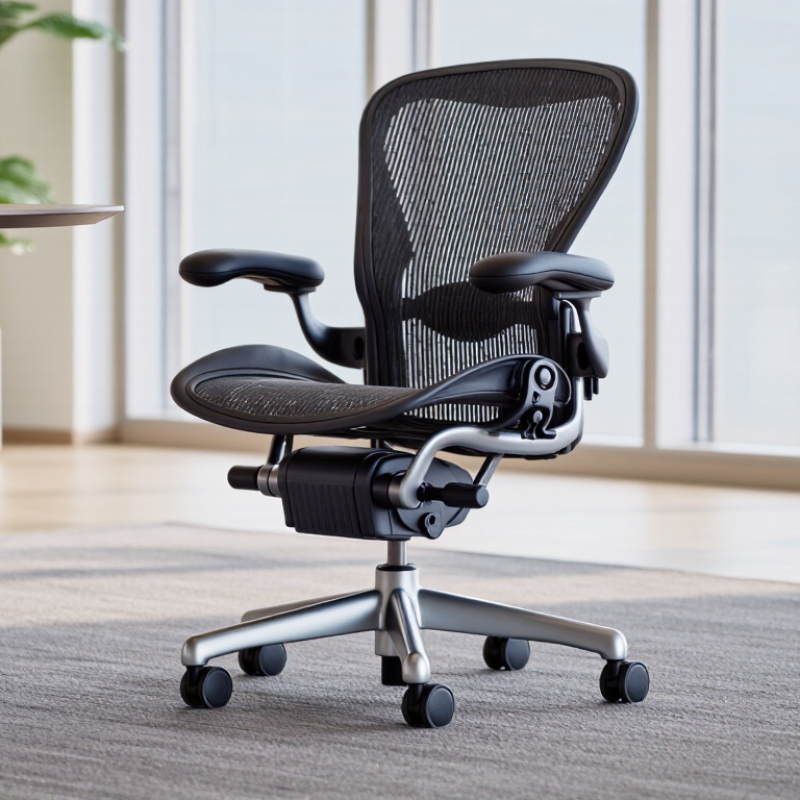
For buyers comparing office supplies chairs, practical testing should guide every decision. Check the seat depth, lumbar support, armrest range, caster quality, and gas lift movement. Sit for several hours, not five minutes. A breathable mesh back may improve airflow, while a padded seat can offer better comfort during long meetings. However, soft cushions may lose shape sooner than expected.
Reliable manufacturers should provide clear specifications, warranty terms, material details, and product testing information. Buyers should also examine packaging strength, replacement-part availability, and assembly instructions. These details matter when chairs travel across continents and pass through different storage environments. Regional safety expectations and business requirements can also vary, so professional advice may be valuable before large orders.
There is no universal winner.
Experience from offices, coworking spaces, and home workstations suggests that adjustable ergonomic chairs often offer the strongest overall balance. Still, “ergonomic” is not a guarantee of quality. Some models use the label loosely. A careful buyer should compare verified measurements, user feedback, and long-term performance rather than trusting marketing language. The best choice is the chair that fits real users, real budgets, and real working conditions.
What Defines the Best Office Chair for Global Buyers?
What Is the Best Type of Office Chair for Global Buyers?
The best office chair is defined by fit, adjustability, and reliable evidence, not by appearance. A global buyer must consider different body sizes, desk heights, climates, and working habits.
The World Health Organization estimates that 1.71 billion people live with musculoskeletal conditions worldwide (WHO, 2022).
That figure makes ergonomic support a practical requirement, not a luxury.
Seat height should let both feet rest flat, while the backrest should support the natural curve of the spine. Adjustable armrests can reduce shoulder tension during long typing sessions. Breathable mesh may suit humid offices, but padded materials can feel warmer and softer in colder regions.
Fit matters more.
The chair should move smoothly and remain stable on the buyer’s floor surface. Testing caster performance, tilt control, and five-point base strength is essential; technical benchmarks such as ANSI/BIFMA X5.1 provide useful reference points.
The Gallup State of the Global Workplace 2024 report found that 41% of employees experienced significant stress during the previous day. A chair cannot solve workplace stress, but poor support may add physical discomfort.
Buyers should request load ratings, adjustment ranges, test methods, warranty terms, and replacement-part availability. I would not trust a chair judged from a photograph. Personal trials remain valuable, although international purchasing rarely makes them easy. A lower price can also hide limited durability, weak documentation, or expensive spare parts.
How Different Chair Types Match Diverse Workplace Needs
Global buyers need chairs that fit real working conditions, not showroom photographs.
A task chair suits shared offices because adjustable height, seat depth, armrests, and lumbar support serve different body sizes.
WHO’s 2022 Musculoskeletal Health report estimates that 1.71 billion people live with musculoskeletal conditions worldwide.
Small adjustments matter.
For hot or humid workplaces, a breathable mesh back can improve airflow. However, mesh is not automatically comfortable. Poor tension may press against the shoulder blades.
A cushioned chair may suit colder offices, call centers, and long sitting periods, but dense foam can retain heat.
The ISO 9241-5 standard emphasizes adjustable workstations and neutral postures, supporting chairs with flexible settings rather than fixed shapes.
In practice, a chair with a sliding seat pan helps a shorter user avoid pressure behind the knees.
A taller user needs deeper support.
For hybrid teams, a lightweight task chair with durable casters supports frequent movement between desks. Shared offices also need simple controls, washable surfaces, and clear adjustment markings.
Executive-style chairs offer broad cushioning, yet their large footprint may waste space. Heavy-duty models can serve longer shifts, but buyers should verify load ratings and testing under ANSI/BIFMA performance standards.
Product claims require careful checking. A lower price can hide weaker cylinders, noisy wheels, or limited spare parts.
I would not pretend one chair fits every country. Climate, body dimensions, flooring, shift length, and maintenance skills can change the correct choice. Mistakes happen.
The useful question is whether the chair can be adjusted, tested, and repaired locally.
Which Ergonomic Features Support Comfort and Productivity?
For global buyers, the best office chair is not simply the softest or most expensive model. Ergonomic adjustment matters more than decoration. A suitable chair should let users place both feet flat, keep knees near a right angle, and relax their shoulders. Seat height, seat depth, and backrest angle should adjust easily without forcing the user to stand. Small controls matter during long workdays.
Lumbar support should follow the lower back without creating a hard pressure point. A breathable backrest can reduce heat in warm offices, while a firm, cushioned seat may support longer meetings. Adjustable armrests should keep elbows close to the body and wrists level with the desk.
A stable five-point base and smooth casters also improve movement on common office flooring. I once chose a chair with excellent padding but poor seat depth. Comfort disappeared after an hour. That mistake still influences my buying checks.
Tips: Ask for adjustment ranges, load capacity, seat dimensions, warranty terms, and replacement-part availability. Check whether the chair suits carpet, tile, or uneven floors. Test the recline tension with your actual desk height. If possible, sit for at least twenty minutes before deciding. No chair fits everyone. Even reliable guidance has limits, because body shape, climate, and working habits differ across regions. Global buyers should also review delivery packaging and assembly instructions, since unclear setup can weaken otherwise useful ergonomic features.
How Materials, Adjustability, and Durability Affect Chair Selection
What Is the Best Type of Office Chair for Global Buyers?
Material choice affects comfort, climate performance, and replacement costs. Breathable mesh suits hot offices, but low-quality mesh may sag quickly. Dense foam feels supportive, yet it can trap heat during long shifts. Fabric often provides warmth and a softer touch. Buyers should request abrasion results, foam density, and cleaning instructions before approving samples.
Adjustability matters more than appearance. A useful chair should offer seat-height, seat-depth, backrest, and armrest adjustment. Lumbar support should move vertically, not merely inflate. The user’s feet should rest flat, while knees remain close to a right angle. OSHA’s computer-workstation guidance supports adjustable seating and neutral working postures. EU-OSHA survey findings indicate that about three in five European workers report musculoskeletal problems. That figure does not prove chairs caused every case, but it deserves attention.
Durability requires evidence, not confident sales language. The BIFMA X5.1 standard includes strength and durability tests for office seating components. Some chair mechanisms undergo repeated-cycle testing, including 100,000-cycle protocols for selected functions. Buyers should ask which parts were tested and under what load. A five-year warranty sounds strong. It may exclude fabric, casters, or gas lifts. I have seen specifications hide these details in small print. Global buyers also need spare-part availability across regions. A chair that cannot be repaired becomes expensive waste. No chair fits every body. Trial seating with real users remains essential.
What Global Buyers Should Consider Before Making a Purchase?
Global buyers should judge an office chair by working conditions, not photographs alone. Before ordering, measure the desk height, user range, and available floor space. A chair that fits a showroom may fail in a compact home office. Seat width, depth, and adjustable lumbar support affect comfort during long sessions. Ask for exact measurements, adjustment ranges, materials, and load-testing documents. Do not rely on vague phrases such as premium quality. Evidence matters.
Regional needs also deserve attention. Warm, humid locations may require breathable mesh and corrosion-resistant components. Cold warehouses can expose brittle plastics or stiff mechanisms. Check packaging protection, assembly instructions, spare-part access, and delivery terms before payment. Import duties, local safety expectations, and warranty coverage can change the real cost. Request written answers, especially about replacement parts and response times. Keep every document.
For bulk purchases, test a sample chair with several users and different body sizes. Record complaints about pressure points, noise, recline control, and stability. A low price can become expensive when returns cross borders. Yet the most expensive option is not automatically the safest choice. I have seen buyers overvalue polished photos and undervalue simple maintenance. That judgment deserves a second look. Comfort is personal. No checklist catches every problem.
What Is the Best Type of Office Chair for Global Buyers?
Before choosing a chair type, compare its adjustable dimensions with the user’s body measurements. These ergonomic starting ranges are commonly cited for computer workstations: adjustable seat height, adequate seat depth and width, and armrests that support relaxed shoulders. Buyers should also verify local safety standards, load capacity, warranty terms, shipping conditions, and replacement-part availability.
Reference basis: general workstation guidance from OSHA and CCOHS. Ranges are practical ergonomic targets, not certification limits.