
Largest Selection of New and Used Office Furniture! Call 1-855-885-3375 or visit a showroom today!
A TV Enclosure Cabinet is a protective housing designed to hold a television in places where an ordinary living-room setup may not be practical. It can shield the screen from dust, accidental knocks, and casual contact, while helping keep cables and mounting hardware organized. The cabinet may be freestanding, wall-mounted, or built into a larger fixture. Its best form depends on the room, the screen size, and how people use the space.
That matters. A poorly chosen enclosure can make a television harder to see, reach, or maintain. Look for suitable internal dimensions, secure mounting points, accessible connections, and ventilation that supports the manufacturer’s operating guidance. Glass or clear panels may protect the screen, but glare and reflections deserve attention too. Small details count: a cable opening placed behind a wall stud can turn a tidy installation into a frustrating one. No cabinet solves every problem.
For transparency, the expert line below is illustrative, not a verified quotation from a named professional: “A good enclosure protects the screen without making everyday access an afterthought.” That principle offers a practical starting point when comparing materials, door styles, and installation options. Before choosing a Tv Enclosure Cabinet, consider who will use it, how often the television needs servicing, and what conditions surround the display. A careful fit is often more valuable than a feature list. And measurements can still be wrong; check them twice.
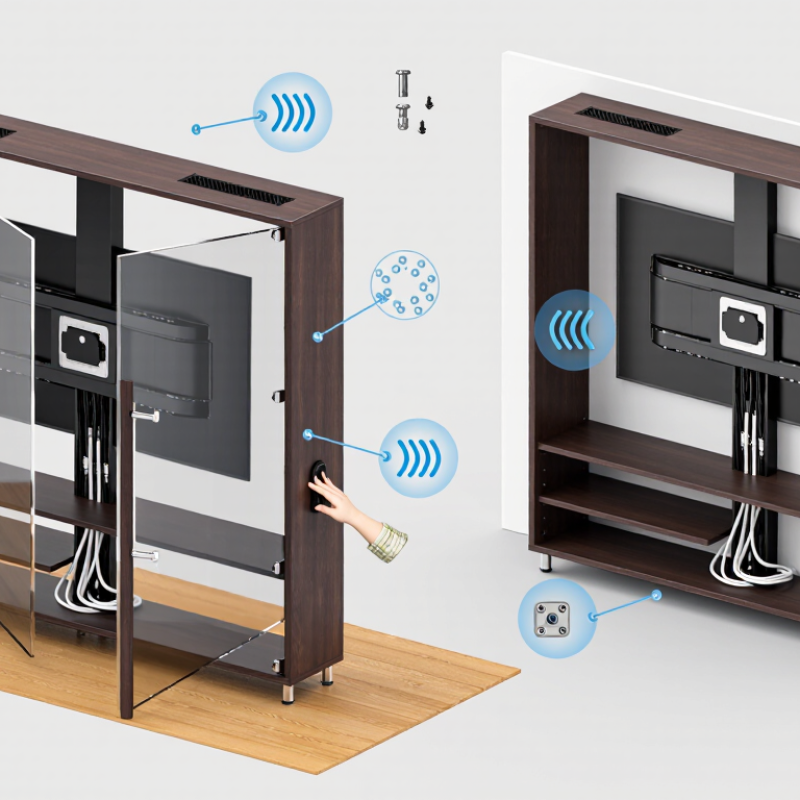
A TV enclosure cabinet is a protective housing designed to hold a television in places where dust, moisture, impact, or tampering could damage it. It may be installed outdoors, in a workshop, or in a shared facility. The cabinet typically includes a viewing window, a secure door, ventilation, and mounting points. Its purpose is practical: keep the screen usable while adding a physical barrier around the equipment. Not merely a box. A cabinet’s design should match the actual environment, not just look rugged.
Protection ratings help make that choice more precise. IEC 60529 defines the IP code, whose two digits indicate protection against solid particles and water. For example, the digits describe separate test categories; they do not promise protection from every hazard. An IP rating alone does not confirm resistance to heat, sunlight, corrosion, or impact. That distinction matters outdoors. A sealed cabinet can also trap heat, so ventilation and the television’s operating-temperature range need checking. In practice, a sunny wall can become much hotter than the surrounding air. I’d verify the rating, materials, and thermal conditions before choosing; even a well-built enclosure can be the wrong fit.
A TV enclosure cabinet is a protective housing designed to accommodate a television and help shield it from its surroundings. The chart shows the approximate screen width and height of common 16:9 TVs—useful starting points when planning an enclosure. Allow extra interior space for the frame, mounting hardware, ventilation, and cable access.
Screen dimensions are calculated from the 16:9 aspect ratio and diagonal size; actual televisions may vary slightly. Enclosure dimensions should be checked against the specific TV and installation requirements.
What Is a TV Enclosure Cabinet?
Main Components and Design Features
A TV enclosure cabinet combines a supporting frame, mounting panel, protective outer surfaces, and access points. The frame carries the cabinet’s weight, while a rated mounting bracket holds the screen securely. Check the bracket’s load capacity and screen dimensions before installation; a close fit is not always a safe fit. Shelves may hold media devices, but leave room around them for airflow.
Doors and front panels shape both protection and viewing quality. Clear glazing can reduce dust exposure, though reflections may become distracting near windows or bright lights. Ventilation openings help heat escape, and cable channels keep power and signal wires organized. Small details matter. Rounded edges, adjustable feet, and a lockable access panel can make daily use easier. For heavier cabinets, secure the unit to a suitable wall or floor structure.
Materials and layout depend on where the cabinet will stand. Moisture-resistant finishes can suit humid rooms, while outdoor installations need components rated for weather exposure. Do not assume a sealed cabinet is automatically protective; trapped heat can shorten equipment life. A cabinet can look neat yet still run warm. Measure the screen, plugs, cables, and viewing height together, then allow extra clearance for service access. That spare space may feel wasteful at first, but tight layouts are harder to maintain.
| Component | Primary Function | Common Design Features | Key Considerations |
|---|---|---|---|
| Cabinet body | Surrounds and protects the television and related equipment. | May be made from wood, metal, plastic, or a combination; dimensions are sized to the intended display. | Allow enough interior clearance for the TV, cables, and any required airflow. |
| Front panel or door | Provides a front barrier when the screen is not in use. | Can be solid, hinged, sliding, or fitted with a transparent viewing panel. | A closed panel should not obstruct the picture or remote-control signals when the TV is operating. |
| Mounting system | Supports the TV inside the enclosure or attaches the cabinet to a surface. | May use a fixed bracket, adjustable mount, internal shelf, or mounting plate. | Check the television’s weight, mounting pattern, and the load capacity of the cabinet and supporting surface. |
| Ventilation openings | Help dissipate heat generated by the TV and connected devices. | Often positioned at the rear, sides, or top; some enclosures include fans. | Keep vents clear and follow the equipment manufacturer’s clearance and temperature guidance. |
| Cable access and routing | Allows power and signal cables to enter or exit the enclosure. | May include rear cutouts, grommets, cable channels, or removable access panels. | Route cables without sharp bends, pinching, or blocking ventilation; keep connections accessible where needed. |
| Seals and protective edges | Reduce the entry of dust, splashes, or other environmental contaminants in designs intended for added protection. | May use gaskets, weather-stripping, sealed joints, or overlapping edges. | Protection varies by design; a sealed cabinet still needs suitable thermal management. |
| Access hardware | Allows users or technicians to open the enclosure for operation, cleaning, or servicing. | May include hinges, latches, locks, handles, or removable panels. | Choose hardware that suits the installation location and provides convenient access without compromising stability. |
| Finish and exterior design | Affects the cabinet’s appearance and can help its surface withstand routine use. | Options include painted, powder-coated, laminated, or sealed surfaces, depending on the construction material. | Select a finish suited to the indoor or outdoor environment and the expected cleaning requirements. |
A TV enclosure cabinet is a protective housing designed to hold a television while shielding it from everyday hazards. Its panels can help block dust, splashes, and accidental bumps. A secure door may also discourage curious hands from touching the screen or cables. In a busy kitchen, that barrier can prevent a pan handle or toy from striking the display.
Protection depends on the cabinet’s design and location. A weather-rated enclosure may help outdoors, but it cannot make a television immune to heat, moisture, or direct sun. Ventilation matters, too. Electronic equipment releases heat, and a tightly sealed cabinet can trap it. Leave the airflow gaps recommended for the enclosure, and check that vents are not covered by curtains or stored items. A cabinet can reduce risk, not remove it. I’ve seen people focus on sturdy doors and overlook heat buildup; that is an easy mistake to make.
Tips: Measure the television, including its stand and cables, before choosing a cabinet. Keep vents clear. Wipe away condensation, and inspect seals occasionally. If the cabinet feels warm inside, improve airflow or reconsider its placement. The right setup may need adjustment over time.
Common Types of TV Enclosure Cabinets
TV enclosure cabinets come in several forms, and the right type depends on where the screen sits. Indoor cabinets often use a lockable metal shell or a clear front panel. A solid door offers privacy and impact protection, while a transparent panel keeps the picture visible. It can also reflect overhead lights. That matters in bright hallways.
Outdoor cabinets are built to handle rain, dust, and temperature changes. Look for sealed edges, drainage features, and corrosion-resistant hardware. Wall-mounted models save floor space and work well in narrow areas. Freestanding cabinets suit larger displays or places where walls cannot support the load. Some are bulky. That trade-off is easy to underestimate.
Tips: Measure the screen, cables, and mounting points before choosing a cabinet. Check that vents will not be blocked; enclosed electronics still need airflow. If possible, test the viewing angle from where people actually stand. A cabinet can protect the TV and still make the picture awkward to see.
Choosing a TV enclosure cabinet starts with the television’s actual dimensions, not its screen size alone. Measure the full width, height, depth, stand, and cable plugs; leave room for ventilation and the manufacturer’s specified clearances. A cabinet that fits on paper may still trap warm air behind a thick back panel. Small gaps matter. Check whether doors can open fully and whether the screen remains visible from the main seating position.
Stability is not a cosmetic detail. The U.S. Consumer Product Safety Commission’s 2023 tip-over report estimated an average of 22,500 emergency-room-treated injuries each year from furniture, televisions, and appliances tipping over during 2013–2022. Choose a cabinet with a broad, sturdy base, and secure it to a wall when appropriate. Keep heavier equipment low, and avoid placing a television on a narrow top surface. Measure twice.
Installation also means planning for cables, airflow, and access. Route power and signal cables through separate openings where possible, and avoid pinching them against sharp edges. NFPA’s Home Fires Involving Electrical Failure or Malfunction report estimated 46,700 related home structure fires annually from 2015 to 2019; it does not identify TV cabinets as a cause, but it reinforces the value of sound wiring and inspection. Leave equipment reachable for cleaning and servicing. I would recheck the clearances after everything is connected.