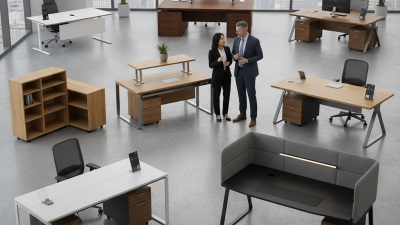
Top Trends in 2026 Desk and Chair Designs for Buyers?

In 2026, the desk and chair design landscape is evolving rapidly. Industry reports suggest that ergonomic designs will dominate, aligning with the increasing demand for comfortable workspaces. According to the Global Office Furniture Market Report, the sector is expected to grow by 6% annually, reflecting a shift toward innovative solutions for remote and hybrid work environments.

Expert Andrew McFarlane, a leading figure in office furniture design, states, "The future of desk and chair solutions lies in adaptability and aesthetics." His insights highlight the need for multifunctional furniture that meets diverse work styles. Buyers are increasingly interested in sustainable materials and customizable options, aiming for a workspace that fosters creativity and productivity.

However, challenges persist. Many consumers struggle to balance style and functionality. As trends shift, some designs may overlook user needs. While aspirations for better work environments rise, the industry must remain vigilant to ensure designs truly enhance user experience. Embracing this dual focus is essential for success in the rapidly changing desk and chair market.
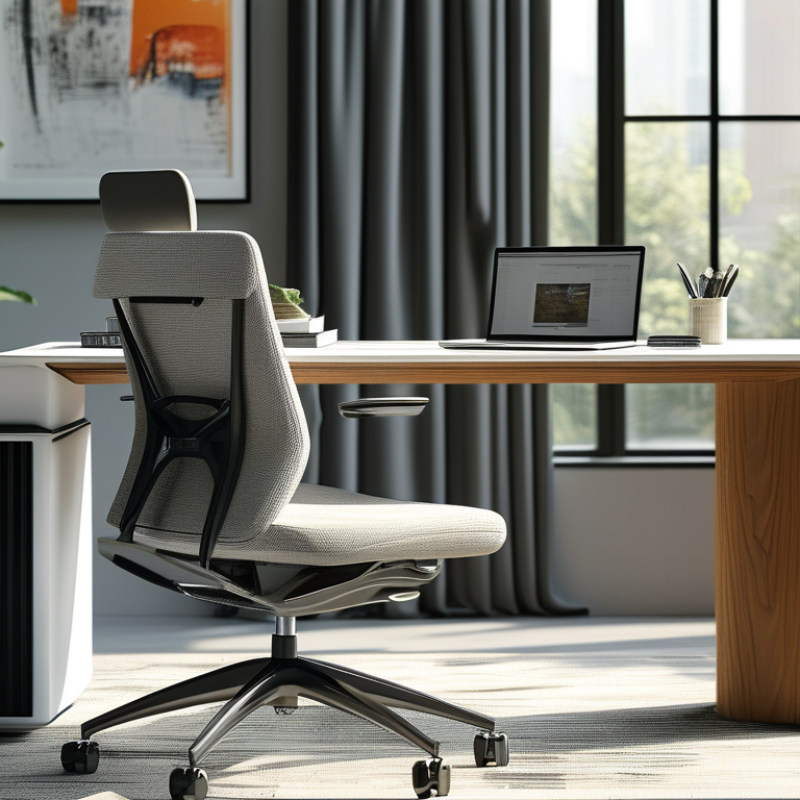
Top Trends in 2026 Desk and Chair Designs for Buyers?

Emerging Materials and Sustainable Innovations in Desk and Chair Designs

In 2026, the landscape of desk and chair designs is shifting dramatically, driven by emerging materials and sustainable innovations. Recent reports indicate that around 70% of consumers prioritize eco-friendly products. This trend reflects a growing awareness of environmental impact in office furniture. Designers are increasingly exploring materials like recycled plastics and bamboo, which offer durability while minimizing carbon footprints.

One notable innovation is bio-based composites made from agricultural waste. These materials not only reduce reliance on virgin resources but also enhance the aesthetic appeal of office spaces. For instance, chairs crafted from mycelium binders have gained attention for their unique textures and sustainability. However, adoption remains limited, with only 12% of manufacturers actively using such materials.

Moreover, ergonomic considerations are central to new designs. Reports show that 90% of office workers report discomfort due to poor seating. As a result, manufacturers are experimenting with adjustable features using sustainable materials. This intersection of comfort and sustainability is essential for modern consumers. Yet, challenges remain in ensuring consistent quality while sourcing these new materials. Effectively addressing these obstacles will be crucial for the industry’s future.

Top Trends in 2026 Desk and Chair Designs

Ergonomics and Health: Prioritizing Comfort in 2026 Workspace Furniture

In 2026, ergonomic design takes center stage in workspace furniture. More than just aesthetics, chairs and desks prioritize comfort and health. The rise of remote work has prompted buyers to consider their long hours spent sitting. The focus is on designs that support posture and reduce the risk of strain injuries.

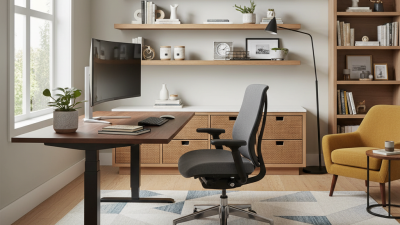
When selecting ergonomic furniture, pay attention to adjustable features. Look for chairs that allow height, backrest angle, and armrest adjustments. This flexibility ensures optimal comfort for your specific body type. Desks should accommodate both sitting and standing positions. This encourages movement, which is vital for long-term health.

Consider the materials used in construction. Breathable fabrics and supportive foam can make a significant difference. Avoid furniture with rigid, non-adaptive surfaces. It's essential to reflect on your current workspace setup. Are you truly comfortable during those work hours? Small changes can lead to a massive impact on overall wellbeing.

Top Trends in 2026 Desk and Chair Designs for Buyers

Feature Description Benefits Expected Price Range (USD)
Adjustable Height Desks that can be adjusted for sitting or standing. Reduces strain, promotes better posture, and increases productivity. $300 - $800
Integrated Technology Built-in USB ports and wireless charging capabilities in desks. Enhanced convenience and connectivity. $200 - $600
Ergonomic Design Chairs designed to support the natural curve of the spine. Improved comfort, reduced risk of musculoskeletal disorders. $150 - $500
Sustainable Materials Furniture made from recycled or eco-friendly materials. Eco-conscious choice supporting sustainability efforts. $250 - $700
Customizable Options Desks and chairs that can be personalized with different colors and features. Allows users to tailor furniture to their specific needs and preferences. $400 - $1000

Aesthetic Trends: Color Palettes and Styles Shaping Modern Office Furniture

Modern office furniture design in 2026 focuses on aesthetic trends that blend functionality with style. Color palettes play a crucial role. Soft greens, earthy tones, and muted pastels create calming environments. These colors promote focus and reduce stress. Vibrant accents, such as bright yellows or bold blues, can add energy to a workspace.

Natural materials are also trending. Wood, stone, and metal in their raw forms resonate authenticity. They connect the indoor workspace to nature. This connection enhances creativity and well-being. Combining various textures, such as smooth surfaces with woven fabrics, adds depth to the overall design.

For those in the market, consider how a chair’s color affects your mood. A bright pop of color might inspire creativity, while neutral shades promote calmness. Think about how the materials used in furniture can impact durability. High-quality materials may come with a higher price tag but usually offer longevity. Reflect on how these choices align with your workspace's overall theme and purpose.

Smart Furniture: The Role of Technology in Future Desk and Chair Designs

In 2026, desks and chairs will increasingly integrate smart technology. These innovations will redefine how we interact with our workspace. Imagine a desk that adjusts its height automatically based on your posture. Sensors could detect your fatigue levels, prompting breaks to enhance productivity. This is not just a convenience, but a lifestyle enhancement.

Smart chairs will also play a significant role. They could monitor your heart rate and adjust support to keep you comfortable. Connected devices can track your working habits and suggest ergonomic improvements. However, the reliance on technology raises questions about privacy and data security. Users might hesitate to share personal health data.

The balance between comfort and technology is crucial. A beautiful design will mean little if it causes strain. Buyers need to reflect on what features are truly beneficial. Ultimately, the focus should be on well-being and efficiency, not just on having the latest gadgets. The challenge lies in finding harmony between technological advancements and genuine user needs.

Adaptability and Flexibility: Multi-functional Furniture for Evolving Workspaces

As work environments evolve, adaptability and flexibility in furniture design have become paramount. The demand for multi-functional desks and chairs is on the rise, driven by the growing trend towards hybrid work models. According to a recent report by the Global Workplace Analytics, 70% of employees prefer flexible workspaces. This shift highlights the need for furniture that can easily transition between tasks, whether for collaborative projects or focused work.

Innovative designs now include desks with adjustable heights, allowing users to switch between sitting and standing effortlessly. Chairs have also adapted, incorporating features like lumbar support and mobility. The Interior Design Association emphasizes that ergonomic design boosts productivity by as much as 15%. This need for ergonomic furniture reflects a deeper understanding of health and productivity in the workplace.

However, not all multi-functional designs fulfill their promise. Some users find that complex mechanisms can hinder flexibility. A survey by the National Institute of Health found that poorly designed furniture can lead to discomfort, thus counteracting its benefits. The challenge remains to create designs that are not only versatile but also user-friendly. Balancing these aspects will be crucial for future developments in workspace furniture.

We have the largest selection of new, remanufactured and quality pre-owned office furniture in the tri-state area.  We ship nationwide with regular deliveries to Pittsburgh, Erie, Uniontown, Washington, Akron, Cleveland, Beckley, Charleston, Clarksburg, Huntington, Morgantown, Parkersburg, Wheeling, Ashland, Ironton, and Lexington.

PITTSBURGH, PA

Showroom & Corporate Offices
1 Sexton Road
Pittsburgh, PA 15136

Local: (412) 771-0760
Fax: (412) 771-0764

WHEELING, WV

By Appointment Only
Local: (304) 232-0727

CHARLESTON, WV

Showroom
125 Lakeview Drive, Suite G
Cross Lanes, WV 25313

Local: (304) 345-3773
Fax: (681) 265-9039

MORGANTOWN, WV

By Appointment Only
Local: (304) 381-9119

HOURS OF OPERATION:

MONDAY-FRIDAY: 9am-5pm
SATURDAY: By Appointment