Top 10 Types of Indoor LED Billboard for Global Buyers
Choosing the right Indoor Led Billboard is not simply a matter of selecting the largest screen. Global buyers must match display design with venue size, viewing distance, content goals, and local operating conditions.
This guide examines ten practical types, including fine-pitch LED walls, rental panels, poster displays, curved screens, transparent units, and all-in-one solutions. Each option creates a different visual experience. A retail atrium may need high brightness and strong color consistency. A hotel lobby may prioritize quiet operation, slim depth, and simple maintenance. Pixel pitch matters too. A 1.5mm display can look sharp at close range, while a wider pitch may reduce cost in a distant viewing area.
Real purchasing experience shows that specifications alone do not guarantee performance. Buyers should review cabinet weight, refresh rate, front or rear service access, heat management, power consumption, control systems, warranty terms, and spare-part availability. Ask for measured test results, not only brochure language. Request videos from operating installations when possible.
No option is perfect.
A cheaper panel can create higher maintenance costs later. A premium screen may exceed the venue’s actual needs. Installation teams should also verify electrical capacity, structural support, ventilation, and region-specific safety requirements before delivery. These checks protect both investment and audience experience.
The best Indoor Led Billboard is the one that performs reliably in its real environment. This overview offers a balanced starting point for comparing products, suppliers, and long-term operating value. Some recommendations may change as technology evolves. That is worth remembering.
What Defines an Indoor LED Billboard
What Defines an Indoor LED Billboard
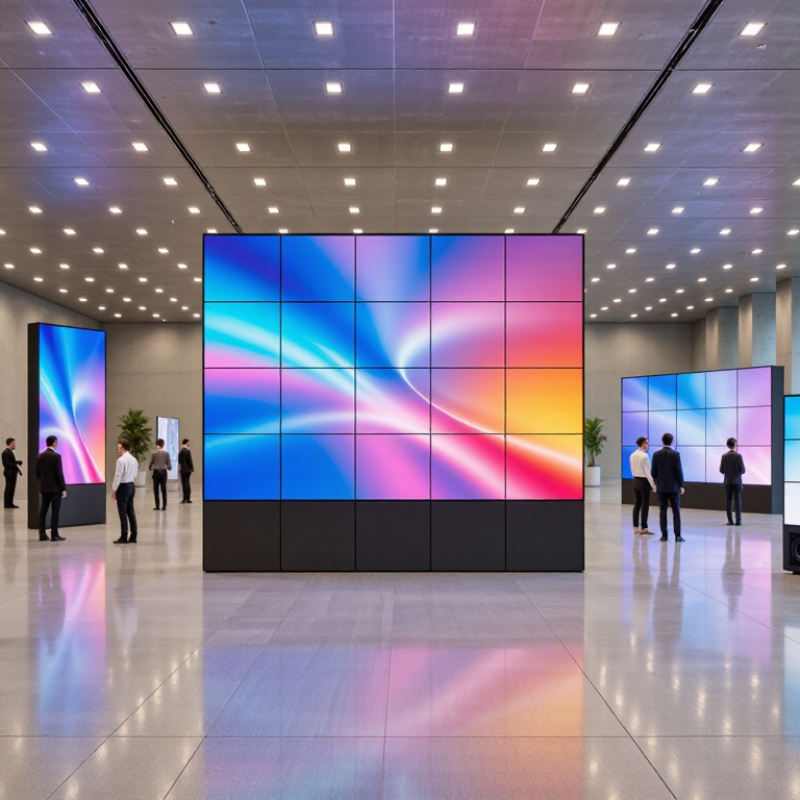
An indoor LED billboard is more than a large television. It is a modular display engineered for controlled environments, close viewing, and continuous commercial content. Its definition depends on pixel pitch, brightness, refresh rate, cabinet design, and installation conditions.
Pixel pitch is critical. Fine-pitch modules, often between 0.9 and 2.5 millimeters, create smoother images at short distances. Brightness usually ranges from 600 to 1,500 nits indoors. Excessive brightness can cause glare and eye discomfort.
According to Grand View Research’s 2024 LED Display Market analysis, the global LED display market was valued at approximately USD 7.6 billion in 2023. The report also projects strong growth through 2030, although indoor billboard figures are not separated consistently. That limitation deserves attention.
A reliable indoor billboard should support high refresh rates, stable color calibration, quiet cooling, and front access for maintenance. A typical 16:9 advertising wall may use hundreds of lightweight cabinets. Power distribution must remain organized. Installation errors still happen, especially when walls are uneven.
Tips: Match pixel pitch to viewing distance, not screen size. Test brightness inside the actual venue. Request calibration records and service access before purchase. Also check heat, dust, viewing angles, and content playback compatibility. A beautiful display can perform poorly when these practical details are ignored.
The Top 10 Indoor LED Billboard Types by Design
The Top 10 Indoor LED Billboard Types by Design
Indoor LED billboards differ greatly in structure, viewing distance, and installation needs. Flat wall-mounted displays suit retail entrances, conference rooms, and airport corridors. Fine-pitch screens create sharper images for close viewing. Curved displays add depth to museums, studios, and premium showrooms. Corner screens use two connected surfaces to attract attention from multiple directions. Poster-style LED units are slim, portable, and easy to reposition.
Transparent LED screens preserve visibility behind the display. Modular rental screens support temporary exhibitions and touring events. Column-shaped displays fit around pillars without wasting valuable floor space. Floor-standing billboards work well in reception areas and shopping aisles. Interactive LED walls invite visitors to touch, explore, and respond to content. Each design needs different pixel density, brightness control, cabinet access, and ventilation planning.
Tips: Measure the viewing distance before choosing pixel pitch. Check ceiling height, power access, and service space. Request a small test panel when color accuracy matters. Curved cabinets may look impressive, but alignment can take longer. I have seen buyers focus on brightness and overlook maintenance access. That mistake becomes expensive. Another practical concern is content scale. Small text can disappear on large screens, even with excellent resolution. Review installation drawings with a qualified technician, and test the display under real indoor lighting before final approval.
Key Features and Technical Specifications to Compare
Top 10 Types of Indoor LED Billboard for Global Buyers
Indoor LED billboards differ by pixel pitch, cabinet design, and installation purpose. Fine-pitch displays suit close viewing in galleries and retail spaces. Larger pitches work better in atriums and transport halls. Compare pixel pitch with viewing distance, not by price alone. A 0.9–1.5 mm pitch can show sharp text from two meters. Brightness usually ranges from 600 to 1,500 nits indoors. Excessive brightness may strain viewers and reduce visual comfort.
Check refresh rate, grayscale depth, contrast, and color temperature. A refresh rate above 1,920 Hz helps reduce camera banding during events. High grayscale performance keeps shadows smooth in dark scenes. Cabinet flatness matters because uneven seams appear under strong lighting. Ask for measured data, not only rated data. Power consumption per square meter affects operating costs and cooling requirements. Front service access can reduce maintenance time in narrow corridors.
Review module protection, heat dissipation, signal redundancy, and calibration stability. Indoor cabinets may use lightweight aluminum, but thin panels can require stronger installation support. Confirm controller compatibility, content resolution, and aspect ratio before ordering. A 16:9 layout is common, yet custom proportions may suit columns or curved walls. Specifications can look impressive on paper. Field testing may reveal dead pixels, color shifts, or fan noise. I would inspect a running sample for several hours before approval. Display quality sometimes changes after installation, especially when calibration is rushed.
Top 10 Types of Indoor LED Billboard for Global Buyers
Key Features and Technical Specifications to Compare
The chart compares representative technical specifications commonly offered for indoor LED billboard solutions. Pixel pitch affects viewing distance and image detail, while brightness and refresh rate influence visibility, camera performance, and content quality. Actual specifications may vary by cabinet size, module design, operating environment, and project requirements.
Installation, Maintenance, and Global Purchasing Factors
Top 10 Types of Indoor LED Billboard for Global Buyers
Indoor LED billboards include fine-pitch video walls, poster displays, rental cabinets, and all-in-one screens. Curved, column, interactive, window-facing, fixed-installation, and transparent formats serve different spaces. Selection should follow viewing distance, room size, content detail, and audience movement. A smaller pixel pitch gives sharper images, but usually increases cost and power use.
Installation starts with structural planning, not screen delivery. Check wall strength, cabinet weight, ventilation, cable routes, and available voltage. Leave service access behind or beside the display. In narrow retail areas, poor access can turn a simple module replacement into a costly disruption. Set brightness for indoor lighting; excessive brightness may cause eye strain and waste electricity. Technicians should test color, refresh rate, signal stability, and emergency shutdown procedures. Small errors remain visible.
Maintenance needs a written schedule. Inspect fans, power supplies, connectors, and receiving cards regularly. Keep clean, dry spare modules in protective packaging. Record panel positions and calibration settings. Dust near ventilation openings can raise temperature quickly. Remote monitoring helps, but it cannot replace physical inspection. I have seen teams trust software warnings while a loose connector caused intermittent black lines.
Global buyers should confirm input voltage, plug standards, language support, spare-part availability, packaging strength, delivery terms, import duties, and local electrical requirements. Ask for measured power data, installation drawings, test reports, warranty conditions, and technician training. Certification documents should match the destination market. A low purchase price can hide expensive freight, difficult repairs, or unavailable parts. Procurement plans should also account for time-zone gaps and slower holiday communication.