Largest Selection of New and Used Office Furniture! Call 1-855-885-3375 or visit a showroom today!
Choosing the right office table and chair is not just a matter of matching colors. The set shapes how people sit, focus, meet, and move through a workday. Gensler’s 2024 Global Workplace Survey gathered responses from more than 16,000 workers across 15 countries, reflecting how varied office needs can be. A compact workstation for a home office has different demands from a shared meeting-room setup.
Fit matters. The U.S. Occupational Safety and Health Administration’s Computer Workstations eTool advises arranging workstations to support comfortable, neutral working postures. ANSI/BIFMA X5.1, an industry standard for general-purpose office chairs, provides a useful reference when comparing chair performance. These sources do not guarantee that one set will suit every person. They do offer practical criteria beyond appearance, including adjustability, support, durability, and intended use.
The ten office table and chair sets in this guide cover different layouts, budgets, and work styles. You’ll find options for small rooms, collaborative teams, executive offices, and everyday desk work. Look closely at tabletop dimensions, cable access, chair adjustments, and the space needed to pull a chair back. Small details matter. A polished product photo can hide an awkward fit, and even a well-made chair may feel wrong after a long afternoon. Use the comparisons as a starting point, then check measurements and specifications against your actual room and users.
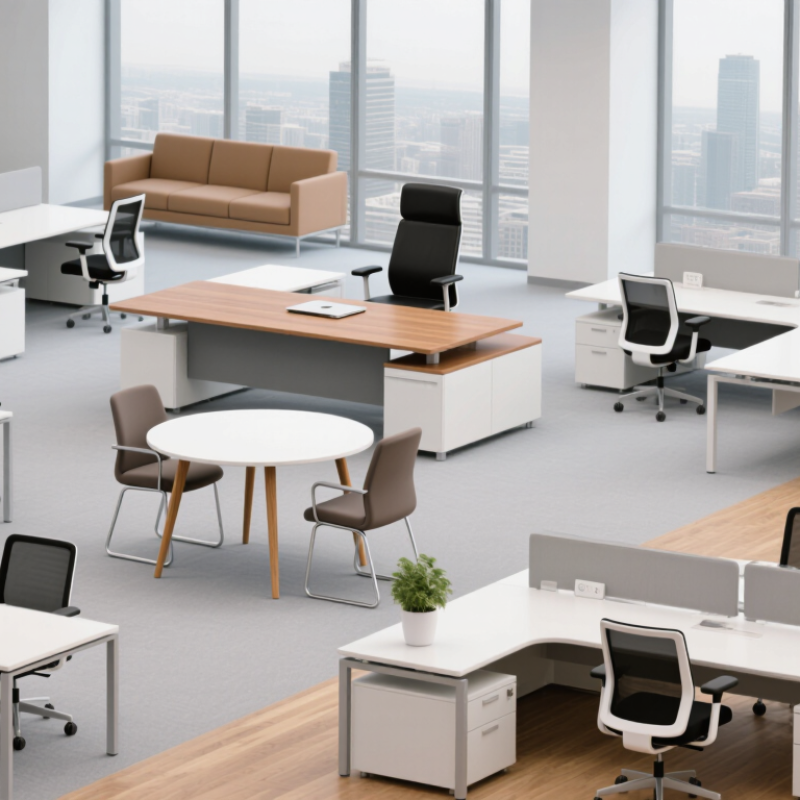
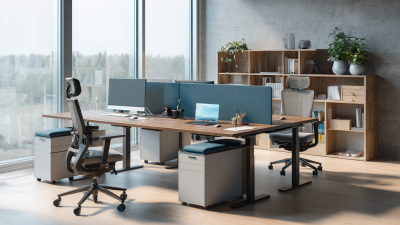
An office table-and-chair set usually includes a work surface and seating designed for the same task. The table may have a straight, corner, or meeting-room layout, with legs or a modest storage unit beneath it. Chairs commonly offer adjustable height, a supportive back, and wheels for easy movement. Small details matter. A cable opening keeps chargers from slipping behind the desk, while a wipeable surface helps with daily spills.
For individual work, a compact table and adjustable chair can suit a laptop, notebook, and desk lamp without crowding a room. Shared work areas often need wider tables, sturdy edges, and chairs that can be tucked away. Meeting sets typically pair a longer table with several chairs, leaving clear space for notes and water glasses. Measure doorways and walkways before buying; a set that fits on paper may feel cramped once people sit down.
These sets also work in reception areas, training rooms, or home offices. Match the chair to the expected sitting time, not just the table’s appearance. A matching finish looks tidy, though it can make a room feel a little stiff. Comfort varies by person, so seat height and back support deserve a real test when possible. Some choices are easy to overlook. Check how much floor space the chairs need when pulled out.
How to read this chart: These are representative desk widths commonly used when planning office spaces, not fixed standards. A basic set pairs a desk with a chair; some setups also include drawers or storage. Choose a size based on available space, equipment, and the work being done.
Compare fit before finish. Measure each workstation, including chair clearance, drawer swing, and the path between desks. A wide tabletop can still feel cramped when a monitor, keyboard, and paperwork compete for space. Check whether the chair adjusts to different users and supports a stable sitting posture. Details matter.
The 2024 Global Workplace Survey collected responses from more than 16,000 workers across 15 countries. That broad sample is a useful reminder: one furniture configuration will not suit every person or task. Compare sets by adjustment range, usable surface area, storage access, and cable management. For chair durability, look for documented testing against ANSI/BIFMA X5.1, a standard covering general-purpose office chair safety and performance. A claim of “heavy duty” alone tells you little.
Think about a typical workday, not just the showroom image. Can someone reach files without twisting? Does the desk leave room for knees and a footrest? Check material edges and moving parts, too; these often show wear first. I would not assume a higher price guarantees better ergonomics. That is an easy mistake. Compare specifications, test the chair if possible, and note what the set does not explain.
Office furniture works best when it fits the room, task, and daily movement. These ten table-and-chair pairings suit spaces from compact home offices to shared meeting rooms. A small writing desk with an adjustable chair saves floor space in a study. A rectangular workstation and supportive task chair suit screen-based work. An L-shaped desk with a swivel chair gives multitaskers room for papers and a monitor. A height-adjustable table paired with a stable drafting stool supports sit-stand routines. Comfort varies.
A broad executive desk with a cushioned chair fits private offices used for paperwork and calls. A shared bench table with slim, ergonomic chairs gives collaborative teams room to work. A round meeting table with firm, stackable chairs suits small-group discussions. A long boardroom table needs chairs with adjustable arms and enough legroom. A reception table with two guest chairs creates a practical waiting corner. A folding table and lightweight chairs serve training rooms that often change layout.
Tips: Measure the tabletop, chair pullback, and walking route before choosing a set. Check seat height against table height; even a small mismatch can feel awkward. Leave clear approach space for different mobility needs. Cable space is easy to overlook, so check it twice.
| Workspace | Table Type | Typical Table Size | Chair Type | Set Configuration | Useful Features |
|---|---|---|---|---|---|
| Compact home office | Small rectangular writing desk | About 36–48 in W × 20–24 in D | Compact adjustable task chair | One desk and one chair | Shallow footprint, a drawer or shelf, and a chair that can tuck under the desk. |
| Dedicated home office | Standard computer desk | About 48–60 in W × 24–30 in D | Adjustable task chair with lumbar support | One desk and one chair | Room for a monitor, keyboard, and daily paperwork; adjustable seat height supports a more adaptable workstation. |
| Shared office for two | Long double workstation desk | About 72–96 in W × 24–30 in D | Two adjustable task chairs | One shared desk and two chairs | Two defined work zones; a center divider or cable management can help organize the shared surface. |
| Small meeting room | Compact rectangular conference table | About 60–72 in W × 30–36 in D | Four conference chairs | One table and four chairs | Suitable for small-group discussions; allow space around the table for chairs to move in and out. |
| Medium meeting room | Rectangular conference table | About 84–120 in W × 36–48 in D | Six to eight conference chairs | One table and six to eight chairs | A broad shared surface for laptops and documents; a cable-access point can help reduce loose cords. |
| Collaborative workspace | Large shared project table | About 72–96 in W × 36–48 in D | Four to six multipurpose chairs | One table and four to six chairs | Open surface supports group work, mock-ups, and shared materials; a durable finish is practical for frequent use. |
| Reception or waiting area | Small occasional table | About 24–36 in W × 18–24 in D | Two lounge or guest chairs | One table and two chairs | A compact arrangement for visitors; rounded edges and an easy-clean surface can suit public-facing spaces. |
| Training room | Individual rectangular training tables | About 48–60 in W × 24–30 in D per table | One stacking or nesting chair per place | One table and one chair per learner | Tables that can be rearranged and chairs that stack or nest make room layouts easier to change. |
| Executive office | Large executive desk | About 60–72 in W × 30–36 in D | Adjustable high-back task chair | One desk and one chair | A larger work surface can accommodate a monitor and documents; storage needs depend on the user's workflow. |
| Flexible or hot-desk area | Height-adjustable workstation desk | About 48–60 in W × 24–30 in D | Adjustable task chair | One desk and one chair per workstation | Adjustable desk height supports seated and standing work; shared spaces benefit from simple, easy-to-clean surfaces. |
| Planning note: Sizes are typical planning ranges, not measurements for specific products. Confirm room dimensions, circulation space, accessibility needs, and manufacturer specifications before purchasing. | |||||
A well-chosen office table and chair set should stay comfortable after hours of daily use. Solid wood adds warmth but can be heavy; laminate is easier to wipe clean and often suits busy shared spaces. Check the small details: smooth desk edges, firm joints, and a frame that does not wobble. For chairs, adjustable seat height and lumbar support matter more than decorative stitching. Your feet should rest flat, with knees near a right angle.
Ergonomics deserves attention. EU-OSHA’s 2019 report estimates that roughly three in five European workers report musculoskeletal disorders.
The source is Work-related Musculoskeletal Disorders: Prevalence, Costs and Demographics in the EU.
A chair’s adjustments help, but they cannot fix a desk that is too high or a monitor placed off to one side. For durability, buyers can also check whether seating has been tested against ANSI/BIFMA office-chair standards. Design still matters: a compact table, cable opening, and stable base can clear floor space without making a room feel cramped. Looks are tempting. Fit is personal, though, and a showroom test may not reveal discomfort after a full workday.
A good office table and chair set should fit the room before it fits a style. Measure the desk area, doorways, and walking paths, then leave enough clearance for drawers and chairs to move. In a compact office, a narrow table with a small footprint can keep the room usable. In a shared workspace, a larger surface may help, but only if people can still pass comfortably. Measure twice.
Match the set to the work, not just the floor plan. Laptop tasks may need little more than a stable surface and an adjustable chair. Paper-heavy work calls for space to spread documents, while frequent meetings may need extra seats and room for note-taking. Check table height against chair adjustment, and notice whether the chair supports your back during longer sessions. A set can look balanced online yet feel cramped in the room; that mismatch is easy to underestimate. Even careful planning has limits, so allow a little flexibility.
Tips: Mark the table’s dimensions on the floor with painter’s tape. Sit in the chair for several minutes, and test the armrests under the table. If storage matters, check where cabinets will open before choosing a set.