
7 Tips for Choosing Silicone Ink for Your Business

Choosing Silicone Ink can affect more than the color on a finished product. The right formulation can support adhesion, flexibility, and consistent production across silicone parts. The wrong one may crack, peel, or look uneven after curing. Small differences matter. A smooth phone case, a textured wristband, and a molded handle may each need a different approach.

A useful selection process starts with the actual substrate and production conditions. Check whether the ink is designed for the silicone grade, surface finish, and application method you use. Then review its curing requirements, including temperature and time, against your equipment and product limits. Ask the supplier for technical data and clear instructions. Test a sample, not just a color card. Look closely at coverage, stretch, abrasion resistance, and color after curing. Record the results so operators can repeat the process.

There is no universal best ink. Trade-offs are real. A highly opaque color may need different application settings, while a faster cure may not suit every production line. Also consider packaging size, shelf life, cleanup needs, and whether the supplier can provide dependable support. Claims should be verified under your own conditions. A small trial can reveal issues that a brochure will not. These seven tips offer a practical framework for comparing options, asking better questions, and choosing Silicone Ink with fewer costly surprises.
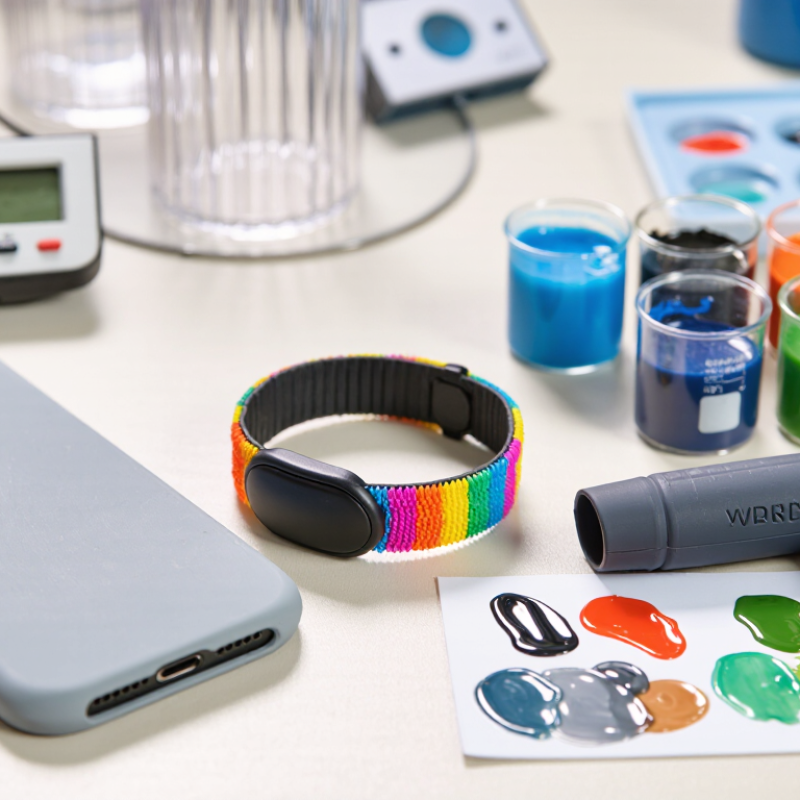
7 Tips for Choosing Silicone Ink for Your Business

Define Your Product and Printing Requirements

Start with the product, not the ink. A silicone print on a stretchy sports shirt must flex without cracking. A raised logo on a work glove may need abrasion resistance and strong adhesion instead. List the fabric type, blend, print location, desired opacity, and finish before comparing ink options. Polyester, nylon, and coated fabrics can behave differently under the same print process. Small details matter.

Textile Exchange’s Materials Market Report 2024 estimates that global fiber production reached 124 million tonnes in 2023. That scale reflects a wide range of fibers and fabric constructions, so a generic “textile ink” requirement is rarely enough. Ask suppliers for substrate-specific technical data, including recommended curing conditions and durability test methods. Then print a sample on the actual fabric, not just a similar swatch. Check stretch, wash performance, hand feel, and adhesion after curing. Record the settings. If the print feels stiff or the fabric changes shape, revisit the ink and process; one test is not proof of production consistency.

Identify the Silicone Surface and Printing Process

Silicone is not one uniform surface. A soft, matte wristband behaves differently from a glossy molded seal or a thin, flexible keypad. Check the part’s texture, shape, and cure state before choosing ink. Mold-release residue, silicone oil, or dust can weaken adhesion, even when the surface looks clean. It happens.

Ask the supplier whether the part is fully cured and whether any coating or treatment has been applied. Then test the actual production surface, not a smooth sample sheet. Look for peeling after a gentle tape check, cracking when the part bends, and color transfer after rubbing. These simple checks do not replace formal testing, but they can reveal problems early.

Match the ink to the printing process. Screen printing can lay down an even layer on flat or gently curved areas, while pad printing can reach small details on contoured parts. Neither method guarantees adhesion by itself. A deep texture may leave thin spots; a flexible part may stretch the printed film. Confirm the recommended cleaning method, ink mix, and curing conditions with current technical data. Keep a record of test settings. Small differences in temperature or cure time can matter, and I would not assume yesterday’s result will repeat on a new batch.

Compare Silicone Ink Types and Compatibility

Silicone inks differ by cure system, texture, and stretch performance. One-part formulas simplify setup; two-part systems require precise catalyst ratios and attention to pot life. High-density inks create raised graphics, while softer formulations can suit stretchy garments. They are not interchangeable.

Compatibility depends on the fabric and its finish. Polyester dyes may migrate during heat curing, while nylon may need an adhesion promoter or a specialized formula. Coatings add another variable. Check the ink’s technical data sheet, then test on the actual fabric. A small swatch can feel like wasted time. It isn’t.

Grand View Research estimated the global textile printing market at US$25.3 billion in 2023, with an 8.9% projected annual growth rate through 2030. That market figure signals demand, not formula compatibility. Assess samples with laundering and crocking tests, such as AATCC TM 61 and TM 8. Record cure temperature, dwell time, and catalyst ratio. I would not approve an ink from a glossy sample alone; it reveals little about repeated wear.

Evaluate Performance, Safety, and Compliance

Silicone ink should be assessed on the material and process you actually use, not only on a supplier’s sample card. Print a small test on your real fabric or product, then check stretch, adhesion, hand feel, and color after curing. A glossy swatch can look convincing but crack when pulled. Test again after washing or repeated handling if the item will face regular use.

Curing conditions matter. Record the ink deposit, dryer temperature, and dwell time, and verify the result with a suitable temperature check rather than relying on the machine display alone. Follow the product’s technical data sheet; an under-cured print may fail, while excessive heat can damage the substrate. Keep notes from each trial. They are easy to skip.

Review the safety data sheet before purchase and use. Check ventilation, handling precautions, storage limits, and recommended protective equipment, then make sure staff can follow those instructions on the production floor. Ask for current documentation on applicable chemical and product requirements in the markets you serve. Requirements vary by use and location, so confirm details with a qualified compliance professional when needed. I would not assume that “silicone” means risk-free. Keep batch records and retain test results; a neat folder can prevent a frustrating guess later.

7 Tips for Choosing Silicone Ink for Your Business - Evaluate Performance, Safety, and Compliance

Tip What to evaluate Why it matters
1. Confirm substrate compatibility Check that the ink is intended for the exact silicone material and surface you use. Test on production-representative parts, including any coatings, mold-release residues, or surface treatments. Silicone formulations and surface conditions vary. A trial on the actual substrate helps reveal wetting, coverage, adhesion, and curing issues before production.
2. Match the ink to the end-use performance Define the required resistance to stretching, flexing, abrasion, washing, chemicals, heat, or outdoor exposure. Ask for relevant test methods and evaluate printed samples under realistic conditions. Performance needs differ by product. A printed item used in repeated flexing or laundering may need different properties from a part used indoors with little handling.
3. Verify the curing process Obtain the supplier’s recommended cure schedule, including temperature and time, and confirm it suits your equipment and part geometry. If the product uses a catalyst or other components, follow the specified mixing ratio and working-time limits. Incomplete or inconsistent curing can affect adhesion and durability. Verify the process on the actual line, because equipment settings and part thickness can influence results.
4. Check production and handling requirements Review application method, viscosity range, storage conditions, shelf life, packaging, cleanup instructions, and any stated pot life after mixing. Confirm that the process fits your throughput and quality-control checks. A suitable ink must work reliably in daily production, not only in a laboratory sample. Clear handling requirements help reduce waste, downtime, and batch-to-batch variation.
5. Review safety information Read the current Safety Data Sheet (SDS) for each product component. Check hazards, ventilation guidance, required protective equipment, first aid, storage, spill response, and disposal instructions; train workers accordingly. Hazards and controls depend on the formulation and workplace conditions. The SDS—not a general description of silicone ink—should guide safe handling at your facility.
6. Confirm market-specific compliance Identify the destination market and intended use, then request applicable declarations or test reports for the finished product. Requirements may differ for items such as children’s products, food-contact applications, or textiles; do not assume an ink is compliant for every use. Regulatory obligations depend on the product, application, market, and sometimes the final article. For example, food-contact suitability requires assessment for the specific intended conditions and applicable rules.
7. Validate quality and supplier documentation Request a technical data sheet, current SDS, batch identification, and relevant compliance documents. Run a documented production trial and set acceptance checks for color, coverage, adhesion, cure, and durability. Traceable documentation and repeatable testing support incoming inspection, troubleshooting, and consistent purchasing decisions. Recheck requirements if the formulation or intended use changes.

Test Samples and Assess Supplier Value

Request silicone ink samples that match your intended fabric, color, and printing method. A sample on white cotton may behave differently from one on dark, stretchy polyester. Print a small test run using your planned screen, squeegee, and curing settings. Record the ink deposit, flash time, and final cure temperature. Small details matter.

Let the print cool fully, then check its stretch, softness, opacity, and resistance to cracking. Wash a few pieces according to your normal care instructions, and compare them with an unwashed sample. Also rub the surface with a clean cloth to spot early color transfer. One test is not enough. Results can vary with fabric finishes and shop conditions, so keep notes and repeat tests when something changes.

Assess suppliers by more than price per kilogram. Ask whether they provide technical data, clear mixing and curing guidance, consistent sample batches, and responsive help when a test fails. Check lead times, minimum order quantities, packaging, and how they handle product changes. A polished data sheet is useful, but practical answers matter more. It is tempting to choose the cheapest option; I would pause if support or test results remain vague. A small trial order may cost more upfront, yet it can reveal problems before a larger production run.

We have the largest selection of new, remanufactured and quality pre-owned office furniture in the tri-state area.  We ship nationwide with regular deliveries to Pittsburgh, Erie, Uniontown, Washington, Akron, Cleveland, Beckley, Charleston, Clarksburg, Huntington, Morgantown, Parkersburg, Wheeling, Ashland, Ironton, and Lexington.

PITTSBURGH, PA

Showroom & Corporate Offices
1 Sexton Road
Pittsburgh, PA 15136

Local: (412) 771-0760
Fax: (412) 771-0764

WHEELING, WV

By Appointment Only
Local: (304) 232-0727

CHARLESTON, WV

Showroom
125 Lakeview Drive, Suite G
Cross Lanes, WV 25313

Local: (304) 345-3773
Fax: (681) 265-9039

MORGANTOWN, WV

By Appointment Only
Local: (304) 381-9119

HOURS OF OPERATION:

MONDAY-FRIDAY: 9am-5pm
SATURDAY: By Appointment