Largest Selection of New and Used Office Furniture! Call 1-855-885-3375 or visit a showroom today!
In the world of workspace design, commercial desks play a pivotal role. As workplaces evolve, finding the right desk is crucial for productivity and comfort. Renowned workplace expert Sarah Johnson notes, "A well-chosen commercial desk can transform how we work daily." Her emphasis highlights the significance of selecting an appropriate desk for various environments.
Choosing the best commercial desk isn't simply about aesthetics. It involves considerations such as ergonomics, flexibility, and functionality. For instance, a desk should accommodate diverse work styles. Features like adjustable heights can cater to both sitting and standing preferences. Moreover, adaptability is vital in today’s dynamic workspaces.
Reflecting on the diverse options available can be daunting. What suits one individual may not work for another. Each commercial desk presents unique strengths and weaknesses. Therefore, a thoughtful evaluation of personal needs and preferences is essential in making the right choice. The right desk not only enhances workflow but also contributes to overall well-being in the workplace.
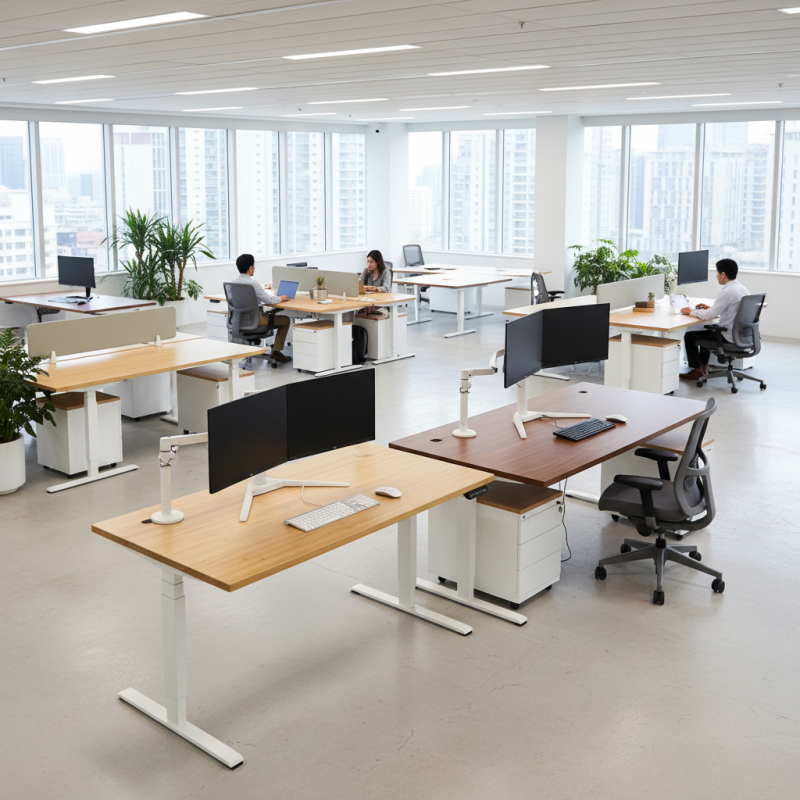
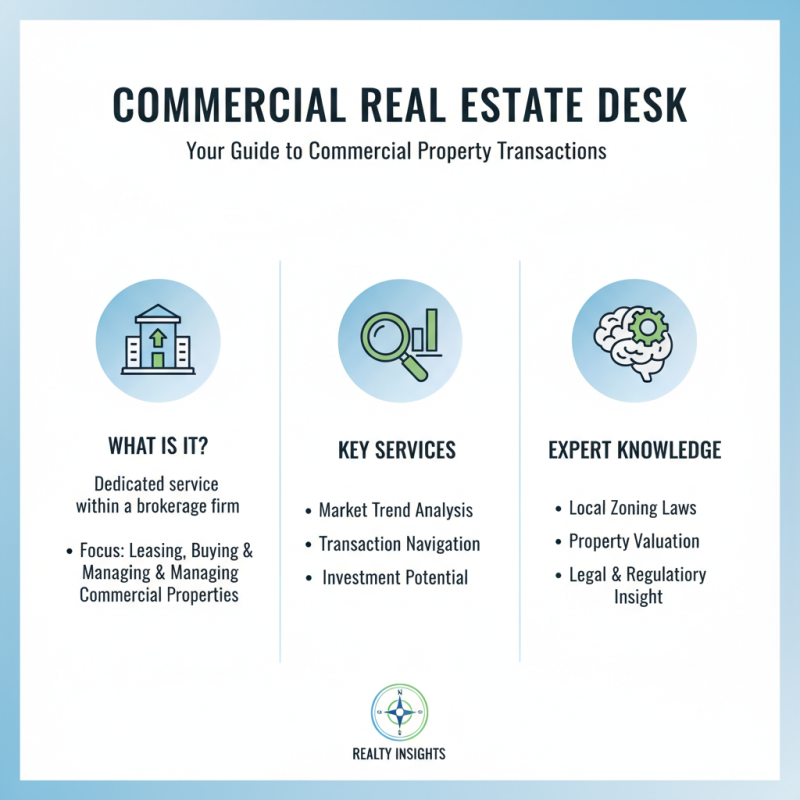
A commercial desk in real estate refers to a dedicated space or service that focuses on leasing, buying, or managing commercial properties. These desks typically operate within larger brokerage firms or specialized agencies. They provide valuable insights into market trends, helping clients navigate the complexities of commercial real estate transactions. Knowledgeable brokers at these desks understand local zoning laws, property values, and investment potential.
When choosing a commercial desk, experience and expertise are crucial. Look for professionals who have a strong track record in your desired market. Their familiarity with local properties can offer a competitive edge. It's also important to evaluate their network of contacts. A well-connected desk can expedite negotiations and uncover opportunities. However, keep in mind that not all desks are created equal. Some may lack the depth of market knowledge, which can lead to costly mistakes. Ensure they are transparent about their process and provide clear communication throughout.
A commercial desk plays a vital role in business transactions. It acts as the hub for coordinating activities between different stakeholders. This includes facilitating communication, managing workflows, and ensuring compliance with regulations. A well-functioning commercial desk strengthens partnerships and enhances negotiation outcomes.
Key functions of a commercial desk include research and market analysis. Understanding industry trends helps in making informed decisions. Additionally, the desk should provide support for contract management. This involves drafting, reviewing, and monitoring contracts. Good documentation practices are crucial, yet often overlooked. Many teams struggle with proper record-keeping.
The desk also serves as a liaison for legal and financial departments. Effective coordination can prevent misunderstandings. It's important to address potential conflicts and ambiguities early. Engaging with relevant experts can improve outcomes, but this often requires time and resources. An underappreciated aspect is the need for ongoing training. Staff should stay updated on market changes and new regulations.
When selecting a commercial desk, various factors come into play. The workspace needs dictate functionality. Studies show that an ergonomic layout can improve productivity by 15%. Comfort directly impacts employee well-being. A desk that supports good posture can reduce back pain and enhance focus.
Space is another vital consideration. Desks come in different sizes. The average office desk measures about 60 inches wide. It’s essential to choose a size that fits comfortably in your space. Overcrowding leads to clutter, which hampers efficiency. People often underestimate the desk's proximity to other furniture. A well-planned arrangement fosters collaboration.
Lastly, durability is paramount. Reports indicate that desks made from high-quality materials last longer. Opting for a sturdier desk can save costs over time. Many businesses fall into the trap of choosing visually appealing options without durability. A balance between style and practical use is crucial. Selecting the right commercial desk requires thoughtful consideration beyond aesthetics.
| Feature | Description | Importance Level |
|---|---|---|
| Size | Determine the area of your workspace to select the appropriate desk dimensions. | High |
| Functionality | Consider what tasks the desk will be used for and whether features like drawers or cable management are needed. | Medium |
| Material | Choose materials that suit your aesthetic and durability needs, such as wood, metal, or laminate. | High |
| Ergonomics | Ensure the desk supports good posture and comfort for prolonged use. | High |
| Price | Set a budget to narrow down choices, balancing quality and affordability. | Medium |
| Style | Select a style that fits the overall design of your office environment, whether modern, traditional, or contemporary. | Medium |
| Accessibility | Make sure the desk design allows for easy access to your workspace and devices. | High |
When choosing a commercial desk, it’s essential to consider various options. The market offers a wide array of styles and functionalities. For example, standard desks are versatile, providing ample surface space. Adjustable desks promote ergonomic health by allowing users to alternate between sitting and standing.
Another option is the L-shaped desk, which maximizes corner space. It suits those needing a multi-functional workspace. While these desks vary in design, durability should be a priority. Materials like solid wood and metal are typically more reliable than particleboard.
Tips: Look for desks with cable management features. This keeps your workspace tidy and organized. Also, consider a desk with adjustable height for comfort. Reflecting on your needs is vital. Identify what works best for you, whether it’s style or functionality.
Investing time in comparing options can lead to a better purchase. Visit showrooms to experience desks firsthand. Understand how they fit your workflow. You might find certain features appealing only after trying them out. This hands-on approach can prevent regret later.
Choosing the right commercial desk is crucial for productivity. A well-optimized workspace can enhance focus and comfort. Here are some best practices to consider.
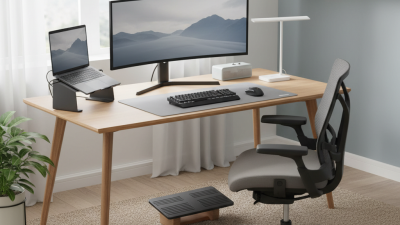
Set your desk at an appropriate height. Your elbows should be at a 90-degree angle. This reduces strain on your arms. A poor height can lead to discomfort over time. Consider an adjustable desk if possible. Movement is important for health and productivity.
Organizing your desk effectively is essential. Keep only necessary items within reach. Clutter can distract you from tasks. Identify what you use daily. Use drawers or organizers for less frequently used items.
Pay attention to lighting and ergonomics. Natural light can boost mood and energy. Position your screen to reduce glare. Your chair should support your back. A comfortable setup is vital for long work hours. Reflect on how your current setup affects your work. Adjustments may be needed as your tasks change.
Incorporate greenery into your space. Plants can improve air quality. They also create a calming environment. Small changes can have a big impact on your productivity.