
How to Choose the Best Car Perfume Diffuser in 2026?

Choosing the best Car Perfume Diffuser in 2026 requires more than trusting a bright package or a popular scent. Market research shows continued demand for automotive air fresheners. Grand View Research identifies fragrance variety, convenience, and longer-lasting formats as important growth drivers. However, published estimates differ because some reports include sprays, vent clips, and electric devices together. The numbers need careful reading.

Dr. Rachel Herz, a leading smell and emotion researcher, explains, “Smell is the sense most closely linked to memory.” That insight matters inside a car. A diffuser can make a morning commute feel cleaner, calmer, or strangely overwhelming. The best choice depends on fragrance strength, cabin size, heat exposure, refill control, and material safety. IFRA standards can guide fragrance formulation, but certification claims still deserve verification.

Real use reveals details that charts miss. A liquid diffuser may leave marks after a hot afternoon. A wooden vent model may fade quickly with strong airflow. Electric devices can offer better control, yet they require charging and careful placement. I once preferred the strongest scent available, then found it distracting after twenty minutes. That mistake changed my evaluation method.

This guide compares scent performance, installation, durability, adjustability, and value. It also considers reports from Grand View Research and other market analysts without treating forecasts as guarantees. Comfort is personal. So is “long-lasting.” A reliable Car Perfume Diffuser should improve the cabin quietly, not dominate it. Depth matters. Claims need testing.
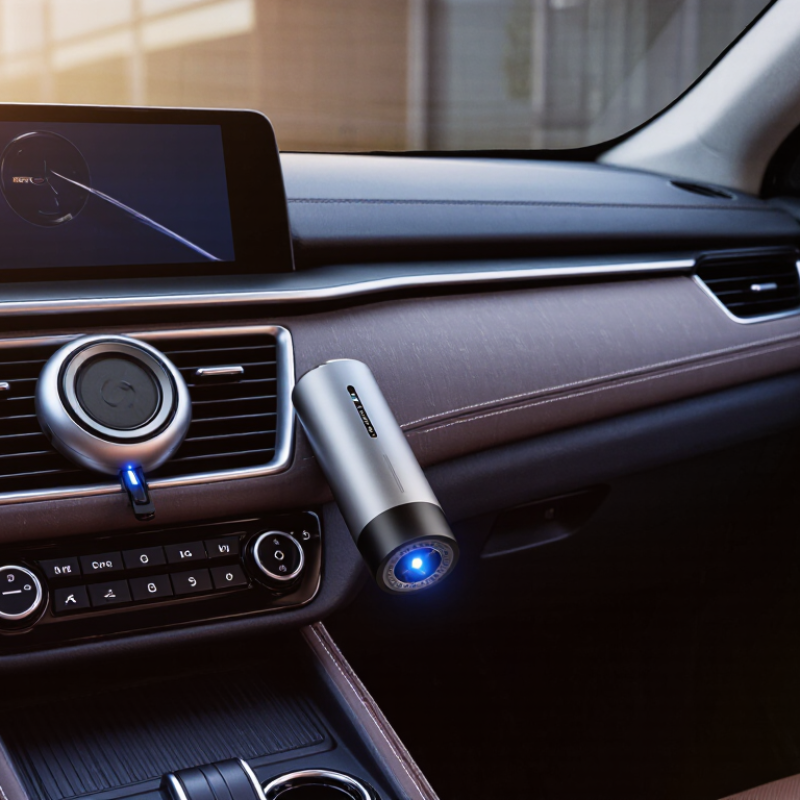
How to Choose the Best Car Perfume Diffuser in 2026?

Car Perfume Diffusers: Purpose, Types, and Essential Features

How to Choose the Best Car Perfume Diffuser in 2026?

A car perfume diffuser controls odor and adds a gentle scent during daily travel. It should refresh the cabin without distracting the driver. Common types include vent clips, hanging bottles, dashboard units, and USB-powered diffusers. Vent models spread fragrance quickly through airflow. Hanging models are simple, but they may swing during sharp turns. Electric diffusers offer adjustable intensity, though they need charging or a power connection.

Material quality matters in a hot vehicle. Choose a leak-resistant container with secure seals and clear usage instructions. Glass can preserve fragrance well, but it may break during impact. Durable plastic is safer, yet poor plastic can absorb or alter the scent. Check whether the diffuser allows low output. Strong fragrance can cause headaches, nausea, or discomfort for sensitive passengers. Unscented periods are useful, too. I once selected a pleasant scent that became overwhelming after thirty minutes. My first choice was not as practical as expected.

Tips: Test the diffuser for ten minutes before a long drive. Keep it away from airbags, pedals, and direct sunlight. Do not place liquid where it can spill onto electronics. Select fragrances made with clearly listed ingredients. Replace the refill when its scent becomes sharp or stale. If passengers report irritation, remove the diffuser immediately. A quieter, weaker scent is often the better choice.

How to Compare Fragrance Strength, Coverage, and Longevity

How to Choose the Best Car Perfume Diffuser in 2026?

Choosing a car perfume diffuser requires more than smelling the fragrance briefly. Compare strength, coverage, and longevity under realistic driving conditions. A powerful scent may feel pleasant for ten minutes, then become tiring in a closed cabin.

I usually test a diffuser during a 30-minute commute, with the fan set to a normal level. This reveals whether the fragrance spreads evenly or stays near the dashboard.

Strength describes how noticeable the scent feels. Coverage shows how well it reaches the front and rear seats. Longevity measures how many days the fragrance remains consistent. These results can differ.

A diffuser may cover the cabin well but lose intensity quickly.

Temperature also matters. A hot car can increase fragrance release, while cold weather may reduce it.

My first comparison was imperfect because I tested one product after parking in direct sunlight. The result was stronger than normal.

Tips:

  • Test with two windows slightly open first.
  • Then compare the same diffuser in a closed cabin.
  • Use the lowest setting that reaches every seat.
  • Check the scent after one hour, one day, and one week.
  • Keep notes about temperature, airflow, and perceived strength.
  • Personal preference still matters. What feels fresh to one driver may seem overwhelming to another.

Choosing Safe Diffuser Materials, Scents, and Installation Methods

How to Choose the Best Car Perfume Diffuser in 2026?

A safe car diffuser starts with its material, not its fragrance. Choose glass, stainless steel, or certified BPA-free plastic. Avoid soft plastics that become sticky under dashboard heat. The U.S. EPA reports that indoor pollutant levels can be two to five times higher than outdoor levels. A parked car can become even hotter and less ventilated. This comparison is not vehicle-specific, but it deserves attention. Fragrance does not equal safety.

Check the ingredient disclosure and follow current IFRA Standards for fragrance use. IFRA’s 51st Amendment provides updated restrictions for many fragrance ingredients. Sensitive drivers should avoid strong allergens, especially in small cabins. Unscented options may be wiser. I still find “natural” claims unclear without testing. Natural is not automatically gentle.

Tips:

Select low-output models with adjustable airflow. Keep the diffuser away from airbags, windows, pedals, and direct sunlight. Secure it in a cup holder or a stable vent mount. Do not place liquid above electronics. The U.S. EPA recommends ventilation to reduce indoor pollutants, so briefly open windows before driving. Replace leaking cartridges immediately. Check the scent after ten minutes, not ten seconds. A pleasant smell can become distracting later. Reconsider the choice if you experience headache, coughing, or throat irritation.

Evaluating Power Sources, Maintenance Needs, and Operating Costs

How to Choose the Best Car Perfume Diffuser in 2026?

Power source affects cost, convenience, and safety during daily driving. USB-powered diffusers usually draw little electricity. A 5-watt unit running eight hours daily uses about 1.2 kWh monthly. At $0.16 per kWh, that costs roughly $0.19. Electricity prices vary widely, however. The U.S. Department of Energy’s Fuel Economy Guide also notes that auxiliary electrical loads can influence vehicle efficiency, especially during city driving.

Battery models avoid permanent cable clutter. They suit short commutes and parked vehicles. A 10,000mAh battery stores approximately 37 watt-hours before conversion losses. Frequent recharging may reduce its practical convenience. The International Energy Agency reported more than 17 million electric cars were sold globally in 2024. This growth makes low-voltage, USB-compatible accessories increasingly relevant inside modern vehicles. Still, compatibility should be checked carefully.

Maintenance often matters more than fragrance intensity. Refillable reservoirs need wiping when oil collects around the cap or vents. Replaceable pads create less mess, but they add recurring costs. Some users forget this detail. I have also seen drivers overfill small tanks, causing sticky dashboards and uneven scent. Choose a model with clear markings, sealed refill points, and accessible filters. The U.S. Environmental Protection Agency links indoor product emissions with volatile organic compounds, so ventilation remains sensible. Fragrance strength is personal. Lower output usually means fewer refills and a calmer cabin.

Matching the Best Car Diffuser to Your Vehicle and Personal Preferences

How to Choose the Best Car Perfume Diffuser in 2026?

The right diffuser should match your vehicle, not only your favorite fragrance. A compact hatchback needs less scent than a large SUV. Strong diffusion can quickly make a small cabin feel crowded. Vent clips spread fragrance through airflow, while passive diffusers release it more gently. USB-powered nebulizers offer control, but they need charging and careful placement.

Your driving habits matter too. Choose a light citrus or green scent for short city trips. Softer woody notes may suit long highway journeys. If you drive daily, select adjustable intensity and replaceable fragrance pads.

The U.S. Environmental Protection Agency warns that some fragrances release volatile organic compounds, which may affect indoor air quality. Read ingredient information, keep windows ventilated, and avoid placing devices near airbags.

Tips: Test one scent for three days. Notice headaches, nausea, or lingering odor. If the fragrance feels heavy, reduce the output.

Market demand is growing. Grand View Research reported that the global car air freshener market reached about USD 2.5 billion in 2023, with continued growth expected through 2030. That growth creates more choices, but more choices do not guarantee better decisions. I once preferred intense scents, then found them tiring during traffic. Personal comfort changed my answer. Also, consider the dashboard finish, cup holders, and temperature exposure. A beautiful diffuser can leak, rattle, or become forgotten clutter.

We have the largest selection of new, remanufactured and quality pre-owned office furniture in the tri-state area.  We ship nationwide with regular deliveries to Pittsburgh, Erie, Uniontown, Washington, Akron, Cleveland, Beckley, Charleston, Clarksburg, Huntington, Morgantown, Parkersburg, Wheeling, Ashland, Ironton, and Lexington.

PITTSBURGH, PA

Showroom & Corporate Offices
1 Sexton Road
Pittsburgh, PA 15136

Local: (412) 771-0760
Fax: (412) 771-0764

WHEELING, WV

By Appointment Only
Local: (304) 232-0727

CHARLESTON, WV

Showroom
125 Lakeview Drive, Suite G
Cross Lanes, WV 25313

Local: (304) 345-3773
Fax: (681) 265-9039

MORGANTOWN, WV

By Appointment Only
Local: (304) 381-9119

HOURS OF OPERATION:

MONDAY-FRIDAY: 9am-5pm
SATURDAY: By Appointment