How to Choose a Premium Baseball Cap Supplier?
Choosing a Premium Baseball Cap supplier means looking beyond a polished product photo. The right partner should turn your design into a cap that fits consistently, holds its shape, and feels comfortable after hours of wear. Small details matter: crown structure, stitch density, sweatband softness, brim curve, and how cleanly the logo is applied.
Quality expert W. Edwards Deming said, “Quality is everyone’s responsibility.” His principle applies to headwear sourcing: dependable results require careful work at every stage, from material selection to final inspection. A supplier’s sample may look excellent, but ask how production batches are checked and what happens when measurements vary. Get specifics. A clear answer is more useful than a confident promise.
This guide explores how to assess a supplier’s experience, materials, customization options, production controls, communication, and pricing. Request a sample and inspect it under ordinary use: wear it, adjust the closure, and check whether the brim keeps its curve. Then compare the sample with the written specifications. It is easy to overlook that step.
No supplier is perfect, and one impressive cap cannot prove consistent production. Look for evidence, ask practical questions, and note where answers remain vague. The goal is not merely to find a low quote. It is to choose a partner who can reliably deliver a Premium Baseball Cap that matches your brand, budget, and quality expectations.
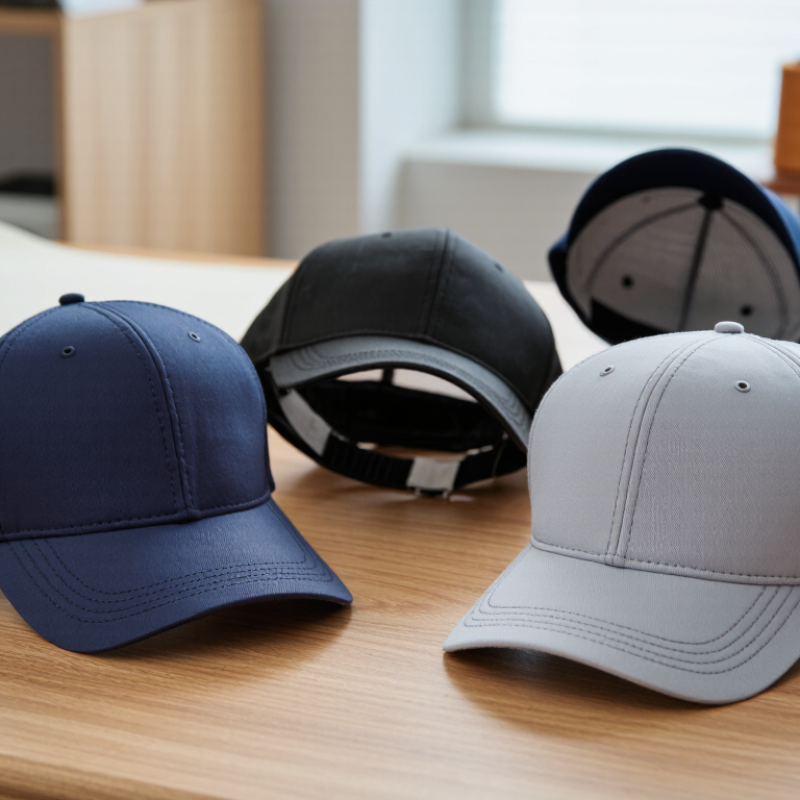
Understanding What Defines a Premium Baseball Cap Supplier
A premium baseball cap supplier is defined by repeatable quality, not polished product photos. The fabric should feel consistent across panels, with no thin patches or uneven dye. On a structured cap, the front panels should hold their shape without feeling stiff or bulky. Check the brim, too: its curve should look balanced, and its layers should not separate when gently flexed. Details matter. Ask for clear material specifications, stitch counts, size tolerances, and color references. These make it easier to compare samples with later production.
A sample is useful, but it cannot prove everything. Wear it for several hours; check for pressure at the temples, rough seams, and a closure that slips. Not every sample succeeds. A capable supplier should discuss corrections openly and explain how production checks catch defects. Ask how they inspect stitching, panel alignment, and packaging before shipment. Request a written approval process for samples and changes. I would not treat one clean cap as proof that a full order will match; production can drift. Reliable communication, documented standards, and willingness to address small flaws often reveal more than a premium label ever could.
Identifying Your Product Requirements and Target Market
Before comparing premium baseball cap suppliers, define the job each cap must do. A six-panel cap for daily retail needs different fabric and fit from a breathable team cap worn under afternoon sun. Record the crown profile, panel construction, closure, target head circumference, embroidery area, and expected unit price. Small details matter. Test a physical sample on different head shapes; a size chart alone may miss pressure at the temples or a loose back strap. Fit is personal.
Then match those requirements to the buyer. Streetwear customers may value a structured crown and subtle embroidery, while tournament buyers often prioritize sweat control, color consistency, and reliable reorders. Grand View Research estimated the global headwear market at USD 26.5 billion in 2022. Its Headwear Market Size, Share & Trends Analysis report projected a 6.5% compound annual growth rate from 2023 through 2030. This broad estimate is not a baseball-cap forecast, but it signals evolving demand. Ask whether your customers want premium feel, performance, or both; “premium” can mean different things.
Turn the answers into a supplier brief. Request fabric composition, colorfastness results, stitching tolerances, sample lead time, minimum order quantity, and a written defect policy. Ask for a pre-production sample in the actual fabric and decoration. Check the bill of materials against the cap in your hand. It can be awkward to discover that “premium” fabric still feels hot after ten minutes. Review reorder capacity too, especially if a successful colorway must return months later.
Evaluating Supplier Materials, Craftsmanship, and Customization
Assess materials by touch and by specification. Ask for fiber content, fabric weight, and colorfastness test details. On a physical sample, rub the crown lightly and inspect the sweatband after wear. A cap can look substantial online yet feel limp in hand. That matters. Check whether the brim keeps its shape after gentle bending, and whether the closure adjusts smoothly without catching. Request samples from the same production materials planned for your order.
Craftsmanship shows in small, repeatable details. Look inside the cap: seams should lie flat, stitching should stay even around the panels, and loose threads should be rare. Check that both sides sit at similar heights and the brim curve matches the approved sample. Ask how the supplier checks finished pieces across a production run, not just the first cap. A polished sample is encouraging, but it does not guarantee every batch will match.
Customization needs clear limits and a written specification. Provide artwork in a usable format, then confirm embroidery size, placement, thread colors, and acceptable variation before production. Dense stitching may distort a small logo, so review a sewn sample rather than relying only on a digital mock-up. Request measurements for the crown and brim, too. One detail may still be missed; record changes after each sample review, even when the correction seems obvious.
Verifying Production Capacity, Certifications, and Quality Controls
A premium baseball cap supplier should show capacity with records, not confident estimates. Ask for monthly output by production line, current lead times, staffing levels, and any outsourced steps. Compare those figures with your order size and seasonal schedule. Request recent production plans and inspection logs. A sample cap can reveal stitch consistency, panel alignment, brim shape, and sweatband comfort. But it cannot prove the factory can repeat that result across thousands of units.
Check each certificate’s issuing body, site, scope, and expiry date. The ISO Survey 2022 recorded 1,265,216 ISO 9001 certificates worldwide, but certification alone does not guarantee a well-made cap. Paperwork is not proof. Ask how the supplier controls fabric shade, embroidery tension, seam strength, and brim curvature during production. A written inspection plan should define sampling, defect categories, and corrective actions. No checklist catches every weak seam, so agree on a process for reviewing failed samples before bulk production.
Material records matter, too. Textile Exchange’s Materials Market Report 2024 estimated global fiber production at 124 million tonnes in 2023. That scale makes traceability worth checking. Ask for fiber composition documents and batch records linking fabric to finished goods. For a real order, review a production sample and a packed carton. A small sample can still miss defects in a larger shipment.
Comparing Pricing, Communication, and Delivery Terms
How to Choose a Premium Baseball Cap Supplier?
Comparing Pricing, Communication, and Delivery Terms
A premium cap quote should show more than the unit price. Compare costs at several order quantities, and check whether embroidery, labels, sample fees, packaging, and freight are included. A cap priced lower by a few cents may cost more after setup charges. Ask for the fabric weight, panel construction, stitching details, and a physical sample before approving production. Small details matter.
Communication is part of the supplier’s value. Can they confirm your measurements, flag a color mismatch, and send a clear sample approval timeline? McKinsey’s 2020 survey found that 93% of supply-chain leaders planned to make their networks more resilient. That points to a practical question: what backup capacity or schedule buffer can the supplier offer if materials arrive late? Get production and shipping milestones in writing, including what happens when dates slip. A polished sales reply is not proof of reliable delivery.
Tips: Request an itemized quote, one sample, and a dated production schedule. Compare the same specifications across suppliers. Then check the fine print on payment, revisions, and shipping responsibility. I still find one detail easy to miss: who pays for correcting a cap that fails the approved sample?
How to Choose a Premium Baseball Cap Supplier?
Comparing pricing, communication, and delivery terms
Example buyer scorecard on a 1–5 scale, not a survey of specific suppliers. Quality consistency and delivery reliability are weighted highly alongside clear pricing and responsive communication. Compare actual quotes, samples, lead times, and shipping terms before choosing a supplier.