
China Best Eco Series Mugs for Wholesale Buyers

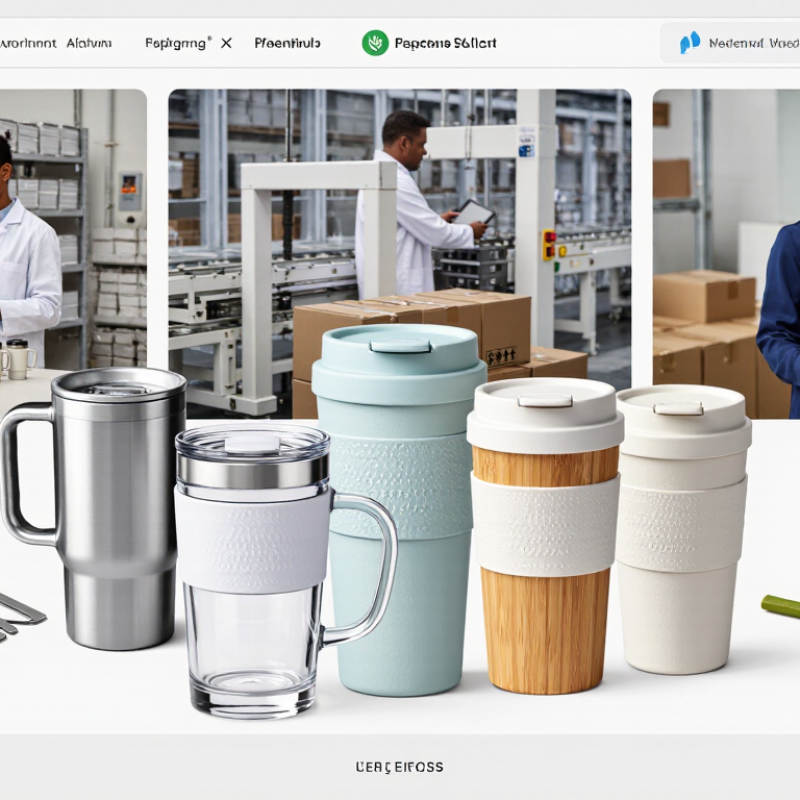
For wholesale buyers, China offers a broad and flexible market for Eco Series Mugs. Factories produce reusable mugs in stainless steel, recycled plastic, glass, bamboo fiber, and plant-based materials. Each option has different strengths, costs, and environmental limits. A responsible buyer should examine the entire product story, not only the word “eco.”

This guide introduces practical points for selecting reliable Eco Series Mugs from Chinese suppliers. It considers material quality, leak resistance, insulation, printing durability, packaging, minimum order quantities, and production consistency. A good sample should feel balanced in the hand, close smoothly, and survive repeated washing without fading. Small details matter.

Ask suppliers for material specifications and relevant food-contact test reports. Verify whether recycled content claims are supported by traceable documentation. Certifications can help, but they should match the actual product and destination market. Some factories provide excellent samples but struggle with large-volume consistency. That risk deserves attention.

Clear communication also protects the buying process. Confirm dimensions, lid design, color references, carton strength, inspection standards, and delivery schedules before placing an order. Factory visits can reveal useful details, such as dusty assembly areas or poorly stored components. Remote audits and independent inspections may offer practical alternatives.

Eco-friendly sourcing is not always simple. A mug may reduce disposable cup use, yet its packaging or transport footprint can remain significant. Buyers should compare durability, reuse potential, material safety, and total lifecycle value. The best choice is rarely the cheapest one. It is the product that performs reliably and supports honest environmental claims.
China Best Eco Series Mugs for Wholesale Buyers

Eco Mug Materials and Sustainability Standards in China

China’s eco mug market relies on materials such as recycled stainless steel, borosilicate glass, bamboo fiber composites, and certified bio-based plastics. Each option has trade-offs. Stainless steel offers long service life, while glass provides a neutral taste and clear visibility. Bamboo composites may contain resin, so buyers should verify the exact formulation.

The OECD’s Global Plastics Outlook reported that only 9% of global plastic waste was recycled in 2019. This makes recycled content valuable, but it does not prove sustainability by itself. Request supplier evidence under ISO 14021, including recycled-content percentages and calculation methods. For carbon claims, ISO 14067 supports product carbon-footprint assessment. These documents should match the mug, lid, coating, and packaging—not a broader factory average.

China’s GB 4806 food-contact standards cover relevant materials, including plastics, metals, glass, ceramics, and general-use products. Wholesale buyers should request current conformity reports, migration testing, and batch traceability. Check hot-water resistance too. A mug that passes room-temperature testing may perform differently at 95°C. China’s Environmental Management System standard, GB/T 24001, can indicate structured environmental controls, but it is not proof that every product is low-impact. Certification helps.

Ask for factory photos, material declarations, test dates, and washing-cycle results. Small gaps matter. A recycled steel claim without supplier records deserves caution. Even responsible sourcing can miss transport emissions, replacement lids, or rejected production. That is where many “eco” purchasing decisions become less certain.

Types of Eco Series Mugs for Wholesale Purchasing

For wholesale buyers, eco series mugs should be selected by material, use case, and verified performance. Reusable stainless steel mugs suit offices, travel, and outdoor events. They resist dents and usually provide dependable insulation. Recycled stainless steel can reduce dependence on newly produced metal, but buyers should request recycled-content documentation.

Bamboo-fiber composite mugs offer a light, natural-looking option for cafés and promotional programs. They are not always suitable for microwaves or very hot liquids. Check the resin composition, temperature limits, and food-contact test reports. Recycled polypropylene mugs are lighter and often cost-effective for large-volume orders. Their final sustainability depends on recycled content, durability, and local recycling access. Some are practical. Some only look green.

Glass mugs, especially those made with heat-resistant glass, provide a clean taste and clear product visibility. They work well for tea, coffee, and hospitality settings, although breakage risk requires stronger packaging. During sample testing, fill each mug, invert it for several minutes, and inspect the lid seal. Test the handle after repeated washing. Small faults become expensive at wholesale scale.

Buyers should compare capacity, wall thickness, decoration methods, carton strength, and minimum order quantities. Ask for migration, temperature, dishwasher, and drop-test reports when relevant. Certifications can support credibility, but they do not replace physical sampling. A supplier may present excellent samples while bulk production varies slightly. Build inspection checkpoints into the purchase agreement. That extra step feels slow, yet it protects product consistency and customer trust.

China Best Eco Series Mugs for Wholesale Buyers

Types of Eco Series Mugs for Wholesale Purchasing

This chart compares representative capacities commonly used for wholesale eco mug specifications. Stainless steel and recycled plastic mugs generally offer larger everyday capacities, while glass and bamboo-fiber designs are often selected for lightweight or natural-material product lines.

How to Evaluate Chinese Mug Manufacturers and Suppliers

China Best Eco Series Mugs for Wholesale Buyers

When evaluating Chinese mug manufacturers, inspect more than product photos. Request physical samples in ceramic, glass, stainless steel, or recycled materials. Check the rim, handle joints, glaze consistency, lid fit, and printing quality. A mug may look premium online but feel uneven in hand. I have seen attractive samples fail after repeated dishwasher cycles.

Ask suppliers for material records, test reports, and clear production specifications. Verify whether recycled content is documented, rather than accepting broad “eco-friendly” claims. Review factory capacity, quality-control procedures, packaging methods, minimum order quantities, and realistic lead times. A reliable supplier should explain defect handling and provide replacement terms in writing. Communication matters. Slow or unclear answers often create problems during mass production.

Tips: Order samples from several factories. Test heat retention, odor, staining, and drop resistance. Compare sample quality with the approved specification. Request a pre-shipment inspection for larger orders. Also, check carton strength with a small transport trial. This step is easy to overlook. Sustainability needs practical evidence, not attractive wording. Prices can change with material costs, and I once underestimated packaging expenses. Leave room for revisions, because the first specification is rarely perfect.

Customization, Quality Control, and Wholesale Order Requirements

China’s eco series mugs attract wholesale buyers through practical customization and controlled production. Reusable stainless steel, bamboo fiber, recycled plastic, and ceramic options serve different markets. Each material needs a clear environmental claim. “Eco-friendly” should not replace measurable specifications.

Customization may include color matching, engraved logos, packaging, lid design, and printed artwork. Buyers should confirm the approved sample before mass production. Small details matter. A slight color shift can affect an entire retail display. Ask for material composition, capacity tolerance, coating performance, and care instructions. These records support reliable product decisions.

Quality control should cover incoming materials, shaping, printing, sealing, and final packing. Request inspection photos, test reports, and batch samples before shipment. For drinkware, leak testing and odor checks are especially important. Wholesale orders also need clear quantities, minimum order levels, lead times, payment terms, and carton dimensions. Do not guess. A low unit price may hide expensive packaging or replacement costs. Buyers sometimes focus too heavily on appearance and overlook lid fit after repeated washing. That is a useful warning. Specifications can still miss real handling conditions, so practical testing remains necessary.

Pricing, Packaging, and Shipping Considerations for Bulk Buyers

China Best Eco Series Mugs for Wholesale Buyers

Pricing, Packaging, and Shipping Considerations for Bulk Buyers

Wholesale mug pricing depends on material, capacity, decoration, order volume, and inspection requirements. Stainless steel, recycled plastic, ceramic, and plant-fiber options create different cost levels. Ask for a complete quotation, including lids, printing, cartons, samples, and export handling. My early estimates were too optimistic when I ignored mold charges and replacement pieces. A trustworthy supplier should explain minimum order quantities, production time, payment stages, and product testing documents clearly. Do not judge value from unit price alone.

Packaging affects both protection and sustainability. A recyclable kraft carton may look attractive, but weak dividers can cause chipped rims or scratched surfaces. Request a packaging sample with drop-test feedback before approving mass production. Confirm carton dimensions, gross weight, pallet quantity, and stacking limits. These details influence warehouse space and freight costs. Shipping quotes should state the trade term, loading port, destination, and whether duties or local delivery are included. Sea freight usually reduces cost for large orders, while urgent air freight can damage your budget.

Tips: Order pre-production samples. Measure the packed carton. Compare two freight quotes. Leave a small budget for defects, delays, or design changes. Eco claims need evidence, not attractive wording.

Article Source:

We have the largest selection of new, remanufactured and quality pre-owned office furniture in the tri-state area.  We ship nationwide with regular deliveries to Pittsburgh, Erie, Uniontown, Washington, Akron, Cleveland, Beckley, Charleston, Clarksburg, Huntington, Morgantown, Parkersburg, Wheeling, Ashland, Ironton, and Lexington.

PITTSBURGH, PA

Showroom & Corporate Offices
1 Sexton Road
Pittsburgh, PA 15136

Local: (412) 771-0760
Fax: (412) 771-0764

WHEELING, WV

By Appointment Only
Local: (304) 232-0727

CHARLESTON, WV

Showroom
125 Lakeview Drive, Suite G
Cross Lanes, WV 25313

Local: (304) 345-3773
Fax: (681) 265-9039

MORGANTOWN, WV

By Appointment Only
Local: (304) 381-9119

HOURS OF OPERATION:

MONDAY-FRIDAY: 9am-5pm
SATURDAY: By Appointment