Largest Selection of New and Used Office Furniture! Call 1-855-885-3375 or visit a showroom today!
Creating a comfortable home office starts with the right furniture. The right desk and chair combination is key to your productivity. This choice can influence your comfort level and overall work experience.
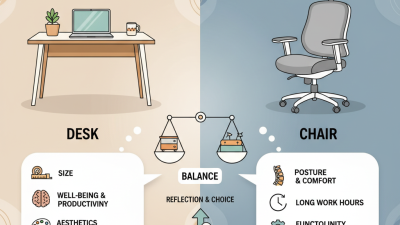
When selecting a desk and chair, consider your workspace. Is it spacious or compact? Understanding this will aid in making a better choice. A desk that is too large might overwhelm a small room. Meanwhile, an uncomfortable chair can lead to long hours of discomfort.
Finding the perfect desk and chair pairing is more than aesthetics. It requires evaluating back support and desk height. Small adjustments can make a big difference. Poor choices can result in fatigue or frustration. Reflect on your needs to create a functional workspace that promotes efficiency. Comfort should never be compromised.
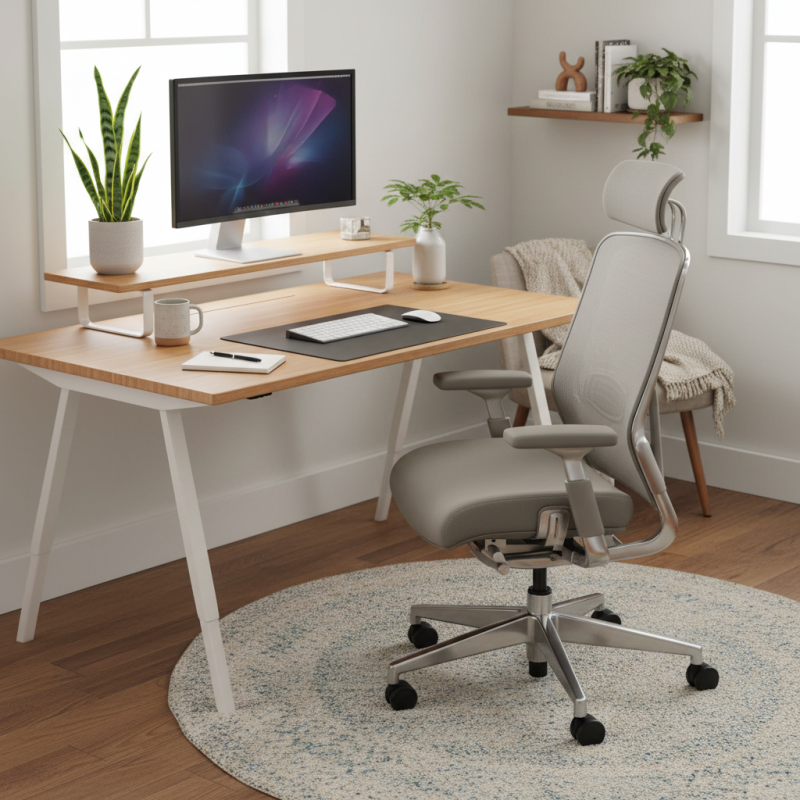
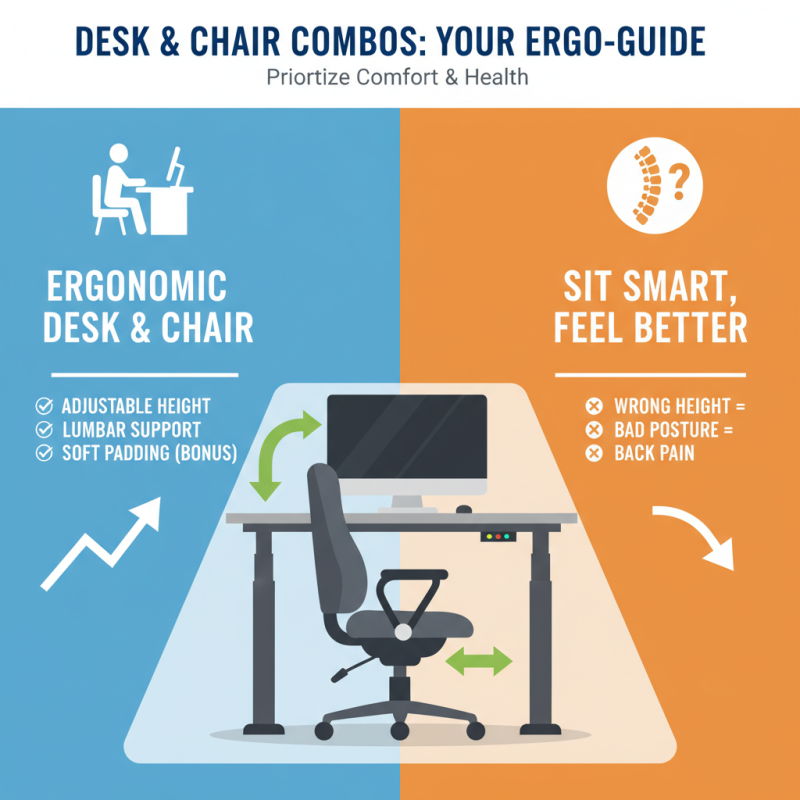
When choosing desk and chair combinations, prioritize ergonomic features. An adjustable chair is a must. Height should fit your body size. A chair with lumbar support can reduce back pain. Soft padding is a bonus, but not the only factor.
The desk height also matters. It should allow your elbows to form a 90-degree angle when typing. A large surface area helps keep everything organized. Cable management is often overlooked but essential for a clean workspace. Accessories like a footrest can enhance comfort, but not everyone finds them necessary.
Comfort is subjective. You may need to experiment with different setups. Sometimes, what feels good initially may not be ideal after long hours. Consider the distance to your screen. Your eyes should be at least an arm’s length away. These details can significantly impact your overall comfort and productivity. After all, a well-designed workspace can be the difference between focus and frustration.
When setting up a home office, the desk height is crucial. A well-sized desk can prevent discomfort. Many people underestimate this aspect. An ideal desk height often ranges from 28 to 30 inches. This range suits most individuals, but it's not one-size-fits-all.
You should sit at your desk and assess comfort. Your elbows should remain at a 90-degree angle. If they rise above your desk, it's too high. A desk that is too low can force you to hunch over. This leads to unnecessary strain. Adjustability can be your best friend here.
Take time to experiment with different heights. You might find that a height adjustment can transform your experience. Not every desk will feel perfect right away. You may need to use cushions or footrests. A bit of trial and error can help significantly. It’s worth investing time into finding what works best for your body.
This chart represents the optimal desk heights in relation to user heights for maximum comfort in a home office setting. The data indicates the recommended desk height based on different user heights to ensure ergonomic alignment.
When setting up a home office, lumbar support is key. A well-designed chair can prevent back pain. Look for a chair with adjustable lumbar support. This feature helps align your spine properly. You want to sit comfortably for long hours without strain.
Consider the material as well. Breathable fabric can keep you cool. Cushioned seats provide comfort, but they shouldn’t be too soft. A chair that feels good today might lead to discomfort tomorrow. Pay attention to how it feels when you try it. It’s not just about looks; it’s about how well it supports you.
Make sure the height is right. Your feet should rest flat on the floor. If your knees are too high, this could lead to issues. Every little detail counts. A chair that seems perfect might not work over time. Checking for proper adjustment mechanisms is crucial to avoid future discomfort.
Creating a comfortable home office involves thoughtful design choices. The materials you choose impact both aesthetics and functionality. Wood, for instance, offers warmth and timeless appeal. A sleek metal frame can bring a modern touch. Consider the textures too. A soft fabric chair paired with a smooth desk creates an inviting atmosphere.
Color is another crucial element. Neutral tones provide a calm environment, while bold hues can energize the space. However, be cautious with bright colors, as they might be distracting. You might find your office is either welcoming or overwhelming based on these decisions.
Lighting plays a vital role in your design. Natural light is ideal, but good task lighting is essential. A harsh bulb can strain your eyes. It’s worth experimenting with different setups. Keep in mind that comfort should not sacrifice style. A harmonious balance can lead to a more productive workspace that feels like home.
| Combination | Desk Material | Chair Material | Aesthetic Style | Comfort Rating |
|---|---|---|---|---|
| Modern Minimalist | Engineered Wood | Mesh Fabric | Industrial | 9/10 |
| Classic Oak | Solid Oak | Leather | Traditional | 8/10 |
| Scandinavian Chic | Birch Plywood | Fabric | Scandinavian | 9/10 |
| Eco-Friendly Setup | Reclaimed Wood | Bamboo | Rustic | 8/10 |
| Tech-Savvy | Glass | Ergonomic Mesh | Futuristic | 9/10 |
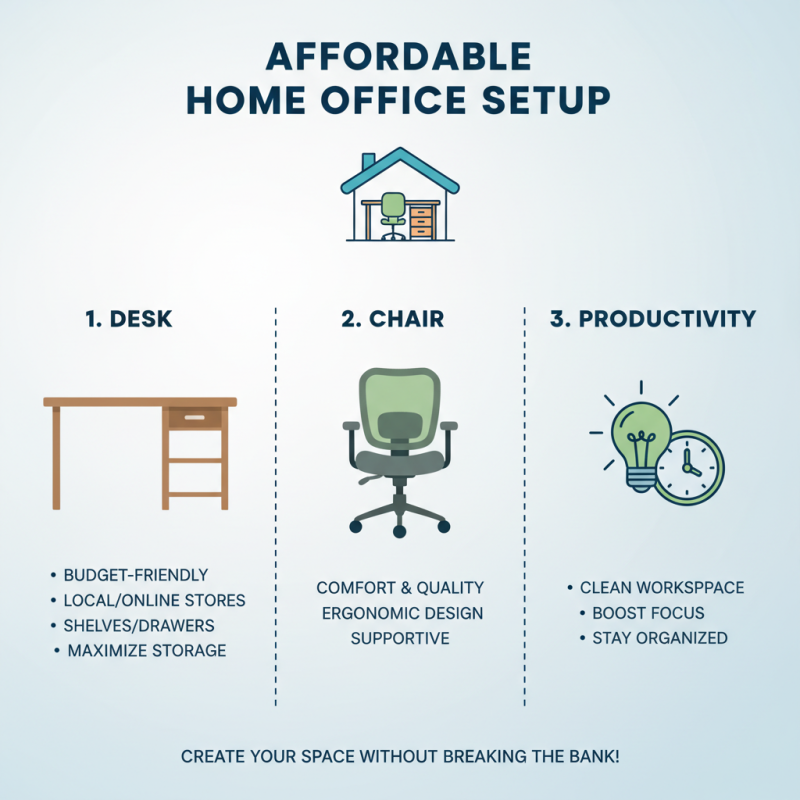
Creating a home office doesn't have to break the bank. Many affordable desk and chair options provide comfort without sacrificing quality. A simple but sturdy desk can be found in local stores or online. Look for designs with shelves or drawers to maximize storage space. A clean workspace can boost productivity.
Choosing the right chair can be tricky. An ergonomic chair helps maintain good posture, but that doesn’t mean it must be expensive. There are budget-friendly options with adjustable features. Some chairs may need extra cushions for comfort, which can be a small investment. Consider your daily working habits.
While affordability is important, don't ignore your personal comfort. Test everything before buying. Sometimes, what looks good in photos doesn’t feel right in real life. Reflect on your own needs. An uncomfortable setup can strain your back and hinder your work.