
Largest Selection of New and Used Office Furniture! Call 1-855-885-3375 or visit a showroom today!
A Brush Vacuum Head can change how quickly a room gets clean—and how much effort you spend on stubborn debris. The wrong head may scatter crumbs, catch on rug edges, or leave pet hair wrapped around its roller. Small details matter.
James Dyson has said, “I just think things should work properly.” That practical standard suits vacuum attachments: a brush head should match the floor, fit the vacuum, and remain easy to maintain. Still, no single design works perfectly everywhere. A motorized roller that lifts hair from carpet can feel too aggressive on delicate rugs, while a soft brush may glide across hard floors but struggle with deep pile.
This guide compares ten Brush Vacuum Head options for different homes and cleaning needs. It considers floor compatibility, brush-roll design, hair management, maneuverability, and attachment fit. You’ll find choices for hardwood, thick carpet, stairs, upholstery, and homes with pets. Look closely at the connector type and your vacuum’s model specifications before buying; similar-looking attachments are not always interchangeable. We also weigh practical upkeep, such as clearing fibers from a roller or reaching tight corners under furniture. Some trade-offs remain. Product claims can sound impressive, but real results depend on flooring, debris, and routine care. Use the comparisons as a starting point, not a promise of perfect cleaning.
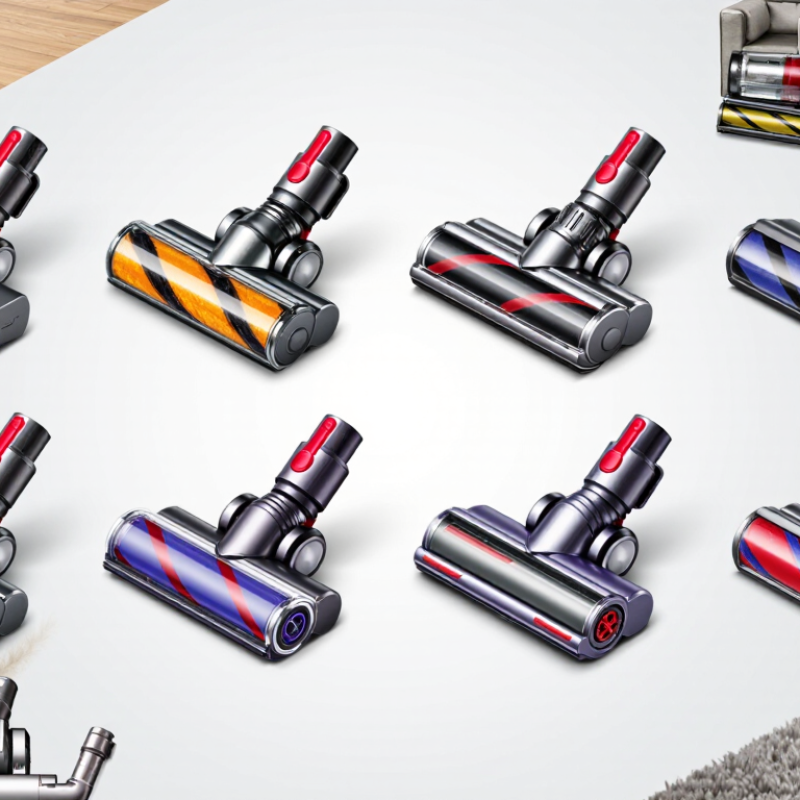
A brush vacuum head combines a rotating brush roll with the vacuum’s airflow. The bristles loosen grit and hair from carpet fibers, while suction carries the debris into the dust container. On hard floors, the brush can sweep crumbs toward the inlet, though strong agitation may scatter light debris.
Some heads use an electric motor; others spin through airflow. Powered rolls usually maintain more consistent rotation across thicker carpet, while air-driven rolls depend on suction. That difference matters. A head that works well on a rug may feel harsh on delicate flooring. Height settings, brush shutoff controls, and a wide intake can make everyday cleaning easier. Hair can still wrap around the roll, and no design eliminates that maintenance. Check the floor-care instructions before using a brush on sensitive surfaces.
Tips: Match the head to your flooring, and adjust its height if it pushes debris instead of collecting it. Inspect the brush roll regularly. Unplug first. A small snag of thread can reduce rotation, so clear tangles carefully rather than forcing the roll.
Compare common vacuum head designs by whether they typically include a rotating brush roll.
A value of 1 means the head typically has a rotating brush roll; 0 means it typically does not. Fixed bristles are not counted as rotating brush rolls. Designs and compatibility vary by vacuum model.
A vacuum head works best when its brush matches the surface, not when it simply looks powerful. On sealed wood, tile, or laminate, soft bristles help lift dust without scattering crumbs. A head with adjustable suction or a brushroll shutoff can be useful around grit and delicate finishes. Check the floor-care instructions before use; coatings vary. Not always.
Carpet usually needs more agitation. A rotating brush can loosen embedded lint and hair, while adjustable height helps the head glide over different pile depths. If the vacuum drags, raises a strong odor, or pulls at loops, stop and reassess the setting. Fringe and loose rugs can catch in a spinning roll. Use care.
For sofas, stairs, and car seats, a smaller powered head can collect hair from upholstery more effectively than a wide floor nozzle. Delicate fabrics often call for a soft upholstery brush and gentler suction. Test a hidden patch first, especially on woven or raised-texture material. A crevice tool may reach seams, but it will not replace brushing on broad surfaces. The best match depends on the mess, too: fine dust, crumbs, and pet hair behave differently. It is easy to assume one brush handles everything; that assumption can leave debris behind or rough up a surface.
A brush vacuum head should match the floor, the vacuum, and the way you clean. Soft bristles suit delicate surfaces, while firmer bristles can loosen grit from rugs. Wider heads cover open rooms faster, but they may feel awkward around chair legs. Check the connector shape, neck angle, and whether the head needs powered electrical contacts. Compatibility is model-specific; a similar-looking fitting is not proof of a secure fit. A useful comparison weighs cleaning reach against handling, not just the number of attachments.
Tips: Measure the wand opening and check your vacuum’s manual before buying. After use, remove wrapped hair with scissors, keeping blades away from the bristles. Small checks help.
Maintenance varies by design. A removable brush roll is easier to clear than a sealed one, especially after picking up long hair. Look for accessible end caps and washable parts, but confirm whether the maker permits rinsing. Let cleaned components dry fully before reinstalling them. In practical use, a lightweight head can make stairs less tiring, though it may lack the weight needed to stay flat on thick carpet. No head is perfect; the best choice depends on your flooring and how much upkeep you will actually tolerate.
| Head Type | Best For | Key Features | Compatibility Considerations | Maintenance |
|---|---|---|---|---|
| Motorized Multi-Surface Brush Head | Homes with a mix of carpet and hard flooring | A powered rotating brush agitates carpet fibers; many designs offer adjustable height or a brush-roll shutoff for hard floors. | Requires a matching wand or hose connection. The brush roll may need electrical power through compatible contacts or a dedicated connection. | Remove wrapped hair and fibers from the brush roll regularly. Check the belt and clear debris from the intake as directed by the manufacturer. |
| Soft-Roller Floor Head | Hard floors where fine dust and larger debris both need collecting | A soft, fabric-covered roller is designed to pick up debris from hard surfaces while reducing direct contact from a rigid brush. | Often designed for a specific vacuum platform; confirm the connector, head dimensions, and any required electrical contacts before purchase. | Remove hair and debris from the roller. Wash it only if the product instructions permit, and let it dry completely before reinstalling. |
| Compact Motorized Head | Stairs, upholstery, and other small carpeted areas | A smaller powered brush concentrates agitation in a compact cleaning area and is easier to maneuver than a full-size floor head. | Check whether it connects to a hose or wand and whether the vacuum supplies power to the head. Connector fit alone may not provide electrical compatibility. | Clear hair from the brush roll and remove lint from the intake. Follow the instructions for opening the brush-roll cover. |
| Air-Driven Turbo Brush | Small rugs, stairs, and fabric upholstery | Airflow from the vacuum spins the brush, so the head does not require a separate electrical connection. | Usually connects to a compatible hose or wand, but inlet diameter and airflow can vary. A secure physical fit does not guarantee ideal brush performance. | Remove hair and fibers from the turbine and brush roll. Avoid forcing the turbine if it becomes clogged. |
| Dedicated Hard-Floor Brush | Tile, laminate, vinyl, and sealed hard floors | Typically uses a broad, non-powered head with bristles or a soft edge to sweep dust and debris toward the suction inlet. | Often uses a standard hose or wand connection, but connection diameters and locking styles differ. Verify the fitting before ordering. | Pick hair and debris from the bristles and clear the suction opening. Washable components should be dried fully before use. |
| Parquet Brush Head | Wood and other delicate hard-floor surfaces | Soft bristles and a lightweight, non-powered design help clean hard floors without a rotating brush roll. | Check the connector style and head width. The vacuum’s wheels and the floor head itself should also be suitable for the intended surface. | Remove trapped grit and hair from the bristles, since debris caught in a floor tool can scratch some surfaces. |
| Upholstery Brush Head | Sofas, cushions, curtains, and fabric-covered furniture | A compact tool with short bristles or a fabric strip loosens surface dust and lint while directing it toward the inlet. | Commonly attaches to a hose or accessory wand. Confirm the inlet diameter and whether an adapter is needed. | Remove lint and hair from the bristles or fabric strip. Test suction on a small area first, especially on delicate textiles. |
| Mattress Cleaning Head | Mattresses and other broad fabric surfaces | A wide, low-profile suction head can cover more surface area than a narrow upholstery tool; some versions include a brush. | Usually connects through a hose or wand. Check the fitting and use a head appropriate for the mattress fabric and vacuum’s suction level. | Clear lint from the intake and brush, if fitted. Empty or clean the vacuum’s filtration system as recommended after fine-dust cleaning. |
| Pet-Hair Brush Head | Pet hair on rugs, upholstery, and stairs | May use a powered or air-driven brush to loosen hair from fabric. Brush design and effectiveness vary with surface and hair type. | Determine whether the head is motorized or air-driven, then check for the required power connection, hose fit, and compatible vacuum airflow. | Hair can wrap around brush rolls and turbines. Remove it frequently and inspect moving parts for blockage. |
| Wide Brush Floor Head | Large, open floor areas where fewer passes are preferred | A wider cleaning path can cover more floor per pass; a non-powered design is typically simpler than a motorized head. | Confirm that the head fits the wand and that its width and swivel clearance suit the available space and storage area. | Remove debris from the bristles and suction channel. Inspect wheels or swivel joints for trapped hair and grit. |
Top 10 Best Brush Vacuum Heads for Every Need
Top 10 Brush Vacuum Heads for Different Cleaning Needs
The right brush head depends on the surface, debris, and room—not just suction. For thick carpet, choose a motorized roller with adjustable height; its bristles should reach the pile without bogging down. Low-pile rugs usually need a gentler roller. Hard floors benefit from soft bristles or a roller that can be switched off, reducing scattered crumbs and scratches. There is no perfect all-rounder.
For different jobs, consider a mini motorized head for upholstery, a narrow turbo head for stairs, and a flexible head for under furniture. A wide roller covers open rooms quickly; a small nozzle handles edges and corners. Pet hair often calls for a tangle-resistant brush, while a gentle, non-motorized attachment may suit delicate rugs. Check that the head fits your vacuum and that its brush can be cleaned easily. Small details matter.
Test performance, not just appearance. The Carpet and Rug Institute’s vacuum testing program evaluates soil removal, dust containment, and carpet appearance retention—useful criteria when comparing heads for carpet care. The U.S. Environmental Protection Agency reports that indoor concentrations of some pollutants are often two to five times higher than outdoor levels; a well-sealed vacuum and regular cleaning can help manage dust, but a brush head alone cannot guarantee cleaner air. Even careful choices have limits. A head that works beautifully on one rug may drag on another, so test a small area and adjust the brush height.
A brush vacuum head works best when its height and brush action match the floor. On low-pile carpet, the roller can loosen grit and pet hair. If the head feels hard to push, raise its setting or reduce suction when the vacuum allows it. For hard floors, use a gentle setting to limit scattering and avoid scratching delicate surfaces. Small adjustments matter.
Tips: Switch off and unplug the vacuum before cleaning the head. Remove wrapped hair with blunt scissors, cutting away from the bristles. Check the manual before rinsing any parts. Let washable components dry fully.
Inspect the brush roll after several uses, especially if you have long hair or shedding pets. A jammed roller may leave debris behind or strain the belt. Clear the intake and check for worn bristles or cracks. Replace damaged parts with compatible ones. It is easy to miss dust packed around the ends, where the roller meets its housing. Don’t force stubborn debris loose; that can bend parts. If suction stays weak after cleaning, check the hose and filters too.