2026 Top Embossed Fabric Types for Global Buyers?
Embossed Fabric is moving beyond decoration. Global buyers now assess texture, durability, traceability, and production consistency together. Textile Exchange’s Materials Market Report 2024 recorded 124 million tonnes of global fiber production in 2023. It projects nearly 160 million tonnes by 2030. That growth increases pressure on suppliers to offer attractive surfaces with lower environmental impact.
Dr. Seshadri Ramkumar, a respected textile materials expert, offers a useful buying principle: “Textile innovation must solve a real performance problem.” This matters when comparing embossed polyester, cotton, viscose, microfiber, velvet, and recycled blends. A raised floral pattern may look impressive under showroom lighting. It can still flatten after repeated washing. A deep geometric texture may sell well in upholstery, yet fail abrasion testing. Details decide value.
This guide examines the top Embossed Fabric types expected to interest global buyers in 2026. It considers fiber content, embossing depth, hand feel, colorfastness, abrasion resistance, minimum order quantities, and finishing options. Buyers should also question market statistics. Embossed fabric is rarely reported as a separate category, so forecasts may combine different textile segments. That limitation deserves attention. Samples remain essential. Request close-up images, wash-test results, pilling data, and compliance documents before confirming volume orders. A beautiful surface is only the beginning.
What Is Embossed Fabric and Why Is It Important in 2026?
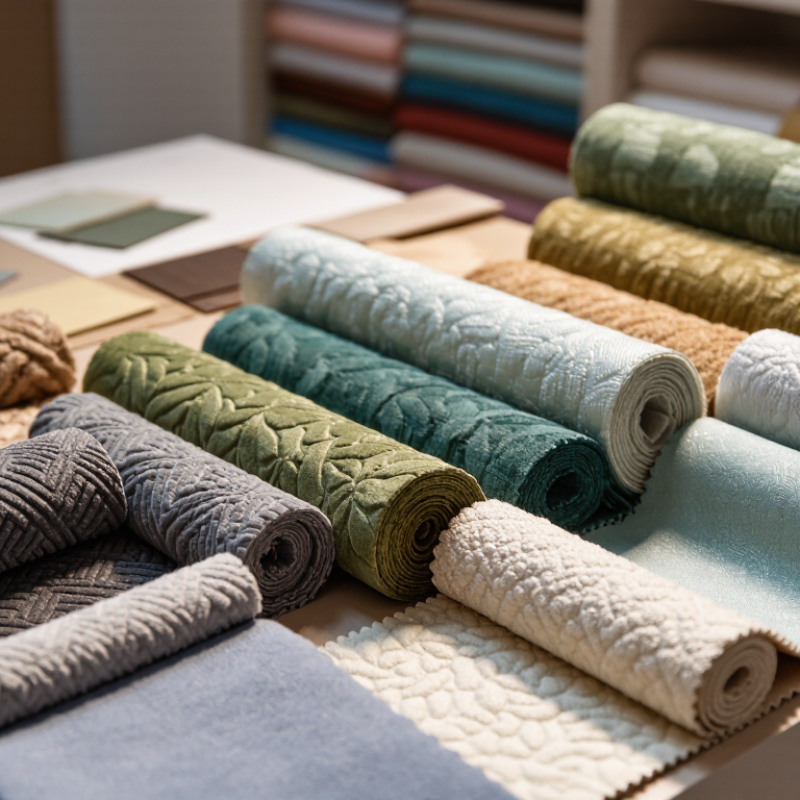
Embossed fabric is a textile with raised or pressed patterns on its surface. Heat, pressure, rollers, or chemical treatments create this textured finish. Common types include floral, geometric, leather-look, quilted, and fine-line embossing. The pattern may sit on cotton, polyester, velvet, microfiber, or blended fabric.
Its importance in 2026 goes beyond appearance. Texture helps products feel more distinctive in crowded markets. It can also disguise minor surface marks and add visual depth under retail lighting. Buyers should check abrasion resistance, colorfastness, pattern consistency, and recovery after washing. A beautiful sample is not enough. Some embossed surfaces flatten after repeated use, especially when heat and pressure are poorly controlled. This is where specifications and physical testing matter. Honestly, texture alone may not justify a higher price.
Tips: Request a production sample, not only a showroom swatch. Rub the surface repeatedly and inspect the raised areas. Test washing, stretching, and folding before approval. Ask for fabric weight, composition, finishing method, and allowable pattern variation. Small differences can become obvious across large panels.
For upholstery, bedding, fashion accessories, and decorative products, embossed fabric offers tactile value and practical flexibility. However, deeper patterns may collect dust or complicate sewing. Fine embossing often works better for frequently handled items. Buyers should also consider end use, cleaning conditions, packaging pressure, and storage humidity. A reliable supplier should explain limitations clearly and provide consistent test records. There is no perfect finish; the right choice depends on performance, cost, and the user’s daily experience.
Which Embossed Fabric Types Are Most Popular with Global Buyers?
Which Embossed Fabric Types Are Most Popular with Global Buyers?
Global buyers often choose embossed polyester first. It offers stable supply, sharp surface definition, and competitive pricing. Textile Exchange’s Materials Market Report 2024 estimates that polyester represented about 57% of global fiber production in 2023. That scale supports large-volume upholstery, curtain, bag, and fashion orders. Embossed velvet remains popular for furniture and decorative interiors. Its raised pile creates visible depth under warm lighting. However, buyers should check pile recovery after compression. A beautiful sample can flatten quickly.
Embossed faux leather is another strong category. Polyurethane-coated textiles provide consistent grain patterns and easier cleaning than many natural alternatives. Buyers commonly request crocodile, pebbled, quilted, and geometric textures. Grand View Research’s upholstery fabrics analysis links demand growth with residential renovation, hospitality projects, and durable decorative materials. The report does not measure every embossed construction separately. That limitation matters. Popularity figures can look more precise than they are.
Performance testing separates reliable suppliers from attractive samples. For furniture, buyers should review abrasion results, seam slippage, colorfastness, and coating adhesion. ISO 12947 Martindale testing is widely used for wear evaluation. Rub counts alone can mislead. Different laboratories and fabric structures may produce different results. Embossed microfiber, jacquard, and recycled polyester also attract buyers seeking texture with lower material weight. Textile Exchange reports continued growth in recycled polyester use, although traceability remains uneven. Buyers should request production-lot samples, not only showroom swatches. Small pattern changes can affect cutting waste, touch, and final appearance.
How Do Embossed Fabrics Differ in Materials, Textures, and Applications?
For 2026 sourcing, embossed fabric should be judged by fiber content, relief depth, recovery, and end use. Embossing is a surface treatment, not a material category. Polyester gives crisp, stable patterns for upholstery, bags, and structured apparel. Cotton feels cooler and more breathable, but deep relief may soften after washing. Viscose blends offer fluid drape and gentle sheen for dresses, linings, and decorative panels. Recycled fibers still require documented composition and performance testing.
Texture changes with the embossing method. Heat embossing creates sharp geometric lines on thermoplastic fibers. Mechanical pressing can produce softer ridges, especially on cotton-rich fabrics. Foam-backed constructions feel fuller, while laminated surfaces resist moisture better but may reduce breathability. Buyers should rub a sample, bend it repeatedly, and inspect the reverse side. A raised floral pattern may look luxurious under showroom lights, yet flatten near a seat seam.
Application determines acceptable weakness. Apparel needs comfort, colorfastness, and recovery; curtains need drape; upholstery needs abrasion resistance and seam stability. Request wash tests, abrasion data, lightfastness results, and production-width samples before approval. Small details matter. I have seen attractive samples fail because the backing shrank faster than the face fabric. That mistake is easy to repeat when buyers judge texture alone. A perfect sample can mislead.
What Quality Standards Should Importers Check Before Purchasing?
Importers evaluating embossed fabric should begin with measurable quality, not appearance alone. A raised pattern may look sharp under showroom lighting, yet flatten after washing or compression. Request the fiber composition, fabric weight, width, and embossing depth for every production lot. Compare these details with the approved sample.
Check dimensional stability after washing, especially for upholstery, apparel, and home textiles. A reliable supplier should provide test results for colorfastness to washing, rubbing, perspiration, and light. Pilling resistance matters on frequently handled surfaces. Inspect the reverse side too. Loose threads, uneven bonding, or pressure marks often reveal weak process control.
Ask for independent laboratory reports when the fabric will enter strict retail or contract markets. Confirm that testing methods match the destination market’s requirements. Examine ten rolls from different positions, not only the first roll. Measure GSM, width, shade variation, and pattern alignment. Keep sealed samples for later comparison. Small records help.
A perfect sample can mislead.
One overlooked issue is odor. Store test pieces in a closed room for twenty-four hours, then check for unusual chemical smells. This simple step is imperfect, but useful. Importers should also test actual production fabric, because embossing pressure, heat, and finishing can change performance. Do not accept vague claims such as “premium quality.” Ask for numbers, tolerances, inspection photos, and corrective-action records. Quality control is stronger when evidence survives beyond the sales meeting.
How Can Global Buyers Select the Right Embossed Fabric Supplier?
For global buyers, choosing an embossed fabric supplier requires more than comparing surface patterns. Start with the end use: upholstery needs stable relief and abrasion resistance, while fashion fabric needs softness, drape, and clean edge definition. Ask for production samples, not only showroom swatches. A perfect sample can still mislead.
Textile Exchange’s 2024 Materials Market Report estimates global fiber production reached about 124 million tonnes in 2023 and may approach 160 million tonnes by 2030. This scale increases sourcing pressure and makes material traceability important. Request fiber composition records, recycled-content evidence, dyeing details, and relevant testing reports. Check GSM tolerance, shrinkage, colorfastness, pilling, and emboss recovery after washing. For synthetic fabrics, verify whether the supplier can provide consistent recycled content across bulk orders.
Supplier performance is visible in small details. Does the factory record embossing temperature and pressure? Can it repeat a 1.5 mm geometric pattern across several lots? Ask for a controlled pilot order with agreed inspection points. Independent laboratory testing is valuable, especially for children’s products, upholstery, and export markets. Reports should identify test methods and sample conditions clearly.
I would also examine lead times honestly. Some suppliers promise fast sampling but struggle with stable bulk output. That gap matters. A lower price may hide higher inspection costs, uneven rolls, or late replacement fabric. Select the supplier that documents limitations, communicates changes early, and accepts measurable quality criteria. According to the 2024 Textile Exchange report, material choices increasingly affect supply-chain transparency, not just appearance.